
Hindu temple design is a brilliant display of what ancient Indian culture, spirituality, and identity were to put into stone. Each temple is a piece of art that is also a microcosm of the great universe. Through the ages, while each region of India has developed its own style, at its core, each temple serves the purpose of being a holy space that brings the divine close to the devotee.
Origins and Symbolism
In the early Centuries CE, the roots of Hindu temple architecture are found. Temples which were designed via sacred geometry, each structure a representation of the cosmic man, which is Vastu Purusha. This layout is a reflection of the idea that the temple is a microcosm of the universe. Elements within the temple, le such as the sanctum, the mandapa, and the to,wer personify spiritual energy, knowledge, and the path to enlightenment.
Key Architectural Features
In the Hindu temple, which part is most important part is the garbhagriha or the inner sanctum where the chief deity is present. This room, at times, is very dimly lit in a meditative way. To the sanctum one is led by the mandapa, a hall which features grand carved pillars and ceilings, where the devotees gather.
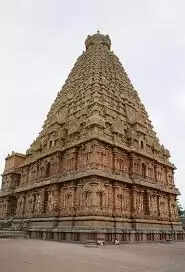
The shikara or vimana, which rises over the sanctum, is also a key feature. This tower is of Mount Meru which is that which is thought to be at the center of the universe. Also see the outer walls of the temple, which display panels of gods, celestial beings, and from the ancient scripture, which in turn present the artistry of the craftsmen.
Major Temple Styles
Hindu temple design primarily developed into three large groups. In North India, we see the Nagarastylesle which is known for its rounded towers. In South India, the Dravidian style features pyramidal towers and large gateways called gopurams. The Vesarstylel, which is seen in areas like Karnataka, is a mix of the two. Each group has its own appeal while at the same time upholding spiritual symbols.
Conclusion
Hindu temple architecture goes beyond what is seen in stone and structure; it is a blend of art, devotion, and ancient science. In the tall towers of the north and the grand gopurams of the south, these temples, which are a legacy of the past, still amaze and are the keepers of India’s rich cultural heritage.
About the Author