

Know About The Real Story of Chhatrapati Sambhaji Maharaj
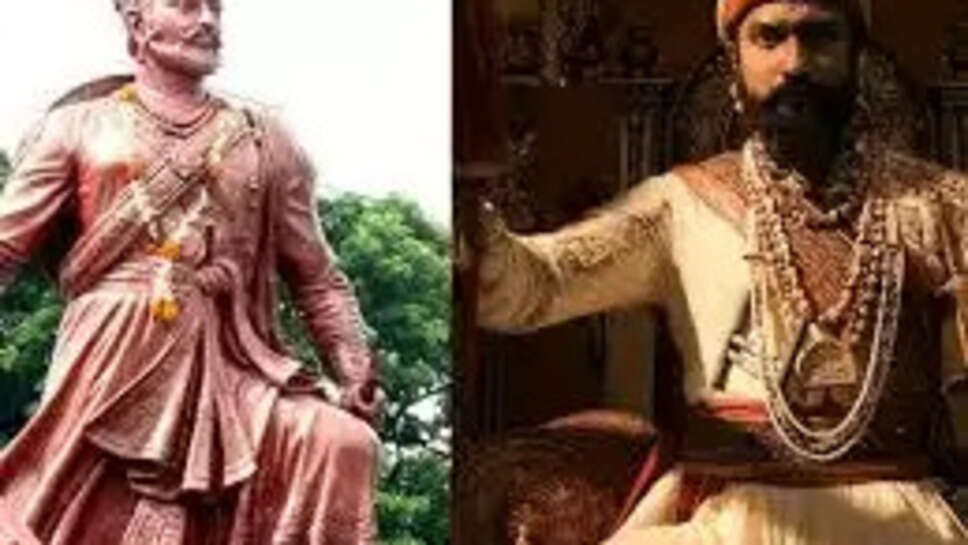
Chhatrapati Sambhaji Maharaj is one of the most misunderstood yet heroic figures in Indian history. Often portrayed narrowly through selective narratives, the real story of Chhatrapati Sambhaji Maharaj is one of extraordinary intellect, unmatched bravery, and unwavering commitment to Swarajya (self-rule). This article presents a factual, balanced, and plagiarism-free account of his real life and legacy.
Early Life and Education
Sambhaji Maharaj was born in 1657 to Chhatrapati Shivaji Maharaj and Saibai. After losing his mother at a young age, he was raised under strict discipline and royal training. Unlike many rulers of his time, Sambhaji Maharaj received advanced education. He was fluent in Sanskrit, Marathi, Persian, and Hindi, and deeply studied politics, warfare, philosophy, and classical literature. His scholarly depth later reflected in his own authored works.
Ascension to the Throne
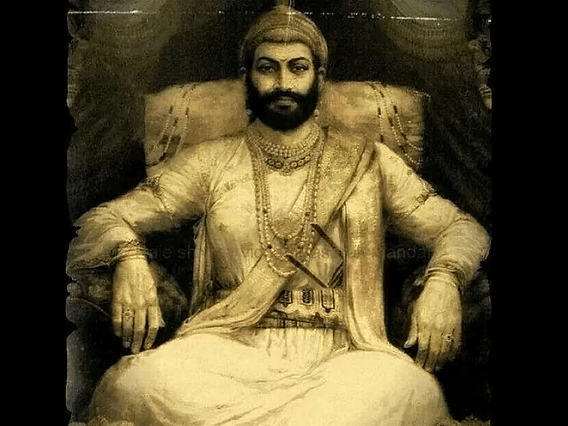
After the death of Chhatrapati Shivaji Maharaj in 1680, the Maratha Empire entered a turbulent phase. Internal conspiracies and external threats surrounded the throne. Sambhaji Maharaj, despite facing opposition from within the court, emerged as the rightful ruler and was crowned Chhatrapati. His coronation marked the beginning of one of the most challenging periods in Maratha history.
Military Leadership and Resistance
The real story of Sambhaji Maharaj is inseparable from his relentless resistance against the Mughal Empire. Emperor Aurangzeb personally led massive campaigns in the Deccan to crush the Marathas. Sambhaji Maharaj adopted guerrilla warfare, fort defense strategies, and rapid counterattacks to exhaust the Mughal forces. Despite limited resources compared to the Mughal army, he defended Swarajya for nearly nine years without surrender.
Conflict with the Mughals and Aurangzeb
Aurangzeb viewed Sambhaji Maharaj not merely as a political enemy but as a symbolic threat to imperial dominance. Sambhaji Maharaj’s refusal to submit made him a prime target. Historical records confirm that he rejected multiple offers of safety and power in exchange for conversion and submission. His resistance was ideological as much as military.
Capture and Brutal Martyrdom
In 1689, Sambhaji Maharaj was captured due to betrayal, not defeat on the battlefield. What followed was one of the darkest episodes in Indian history. He was subjected to extreme physical and psychological torture for days. Despite unbearable suffering, he refused to abandon his faith, kingdom, or principles. His execution was meant to terrorize the Marathas, but it instead strengthened their resolve.
Misrepresentation and Historical Bias
For centuries, Sambhaji Maharaj’s image suffered due to biased court historians, colonial narratives, and selective storytelling. Many accusations regarding his character and governance have been debunked by modern historians using primary sources. The real Sambhaji Maharaj was a disciplined administrator, learned scholar, and fearless protector of Swarajya.
Literary and Intellectual Contributions
Beyond warfare, Sambhaji Maharaj was an accomplished writer. His Sanskrit works reflect deep knowledge of politics, ethics, and religion. These contributions are often ignored, yet they establish him as one of the most intellectually accomplished rulers of medieval India.
Legacy and Historical Importance
Sambhaji Maharaj’s martyrdom did not weaken the Maratha Empire. Instead, it laid the foundation for future expansion under leaders like Rajaram Maharaj and later the Peshwas. His sacrifice delayed Mughal dominance in the Deccan and preserved the spirit of resistance that eventually led to Maratha supremacy.
Conclusion: The Real Story
The real story of Chhatrapati Sambhaji Maharaj is not one of defeat, but of defiance. He stood against one of the most powerful empires of his time and chose death over dishonor. Today, he is remembered not just as a warrior king, but as a symbol of courage, integrity, and unbreakable resolve. His life stands as a reminder that true leadership is measured not by comfort, but by sacrifice.