

Know About The Real Story of Rani Padmavati
Rani Padmavati, who moreover went by the title of Rani Padmini, is a figure of extraordinary significance in Indian history and legends. Her story is that of valor, honor, and give up. Through the ages, her stories have developed with the expansion of components of creative ability in lyrics, legends, and prevalent culture. To truly know the story of Rani Padmavati, it is imperative to separate between what is a chronicled truth and what is fables that has developed around her, whereas at the same time, we regard the social significance of her name.
Historical Sources and Origins
The to begin with and most broad reference to Rani Padmavati is in the epic lyric “Padmavat,” which was composed in 1540 by the Sufi artist Malik Muhammad Jayasi. This work was put forward about two hundred a long time after the occasions it delineates. Since of this hole between the time of the occasions and the time of composing, students of history report that the story is a blend of history, imagery, and wonderful innovation as contradicted to a completely investigated chronicled account.
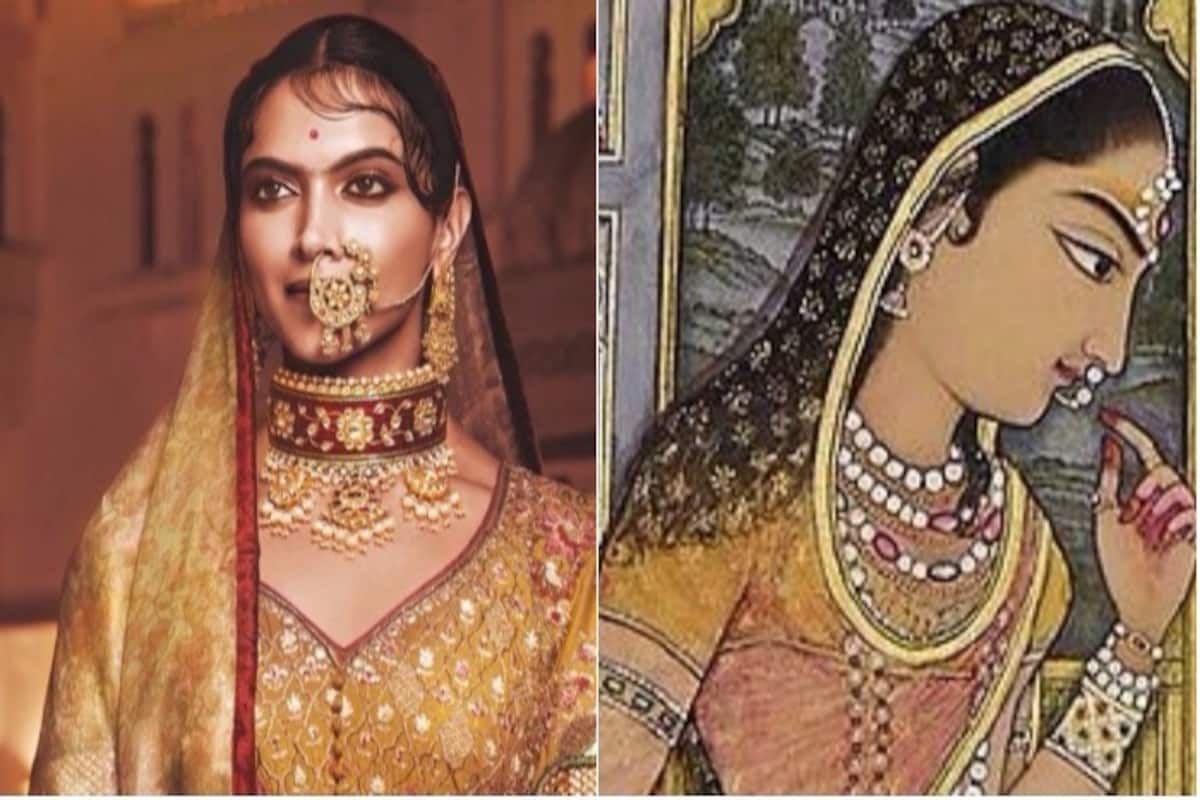
According to neighborhood Rajput legend, Rani Padmavati was the ruler of Chittor (present-day Chittorgarh in Rajasthan) and the spouse of Rana Ratan Singh, who was a ruler of the Mewar kingdom. It is genuine that a few authentic records allude to Rana Ratan Singh, but there is no present-day confirmation that Padmavati was a verifiable individual. Still, her story is exceptionally much a portion of Rajput culture.
The Legend of Rani Padmavati
Legend reports that Padmavati was a exceptionally wonderful, shrewd, and stately lady. Too, it is said that one of her numerous ethics came to the take note of all, counting Alauddin Khilji, the Sultan of Delhi. By that time, out of aspiration and in desire, Khilji assaulted Chittor for the reason of winning the queen.
Through deceit, which is what Khilji utilized, Rana Ratan Singh was put in jail. As for Padmavati, she is put forward as a exceptionally savvy and brave lady, which is how she came up with a arrange to protect her spouse by sending in troopers in the mask of specialists in palanquins. The Rana did get out, that is, till Khilji assembled a expansive armed force and laid attack to Chittor.
Jauhar: A Token of Devotion.
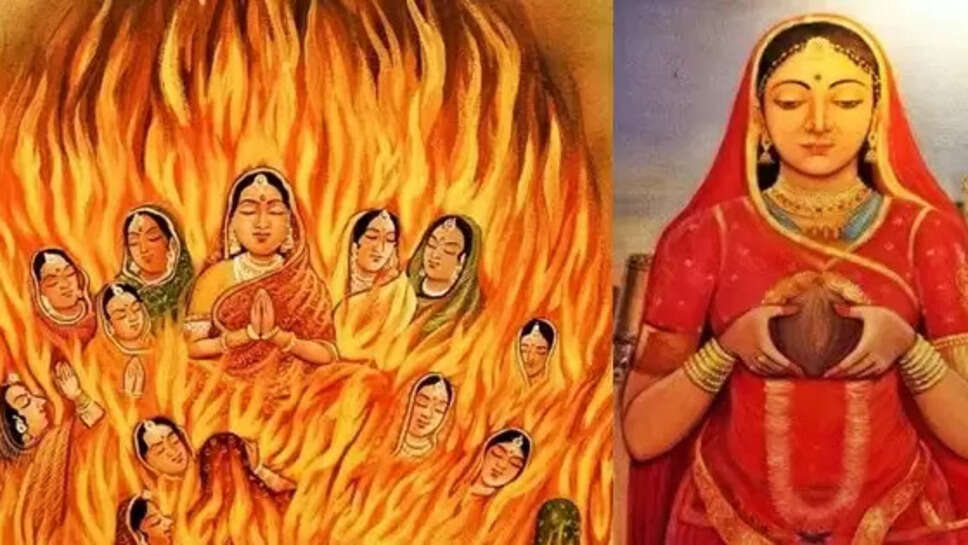
Facing what was to be a lamentable overcome and not prepared to allow up their honor, Rani Padmavati and the ladies of Chittor, it is said, performed Jauhar -- a mass self-immolation. This activity was a last stand for the conservation of astuteness, which too ensured them from capture and shame.
In display times, it is put to address the esteem of such hones, which in the past, inside the system of Rajput fighting, Jauhar was a image of resistance, honor, and collective give up. Too, Padmavati’s activity got to be a extraordinary image of Rajput valor and pride.
History vs Myth
Many history specialists show the case that Jayasi’s Padmavat is an moral story that in no way is implied to be a truthful account. Whereas it is a known truth that Alauddin Khilji went to Chittor in 1303, what is put forward is that his reason was political and key and not at all for a individual journey for a queen.
Cultural Affect and Legacy
Rani Padmavati’s account has propelled the Indian writing, craftsmanship, legends, and verbal conventions for that time and to the display. As a image of valor, confidence, and astuteness, she is exceptionally much recollected. Too, for numerous, she put forward the picture of a lady who stood solid against all odds.
Today, we still see her story at the center of dialog and wrangle about, which moreover reports exceptionally enthusiastic reactions, which in turn demonstrate how much authentic accounts frame social character.