

Know About The Real Story of Zubeidaa
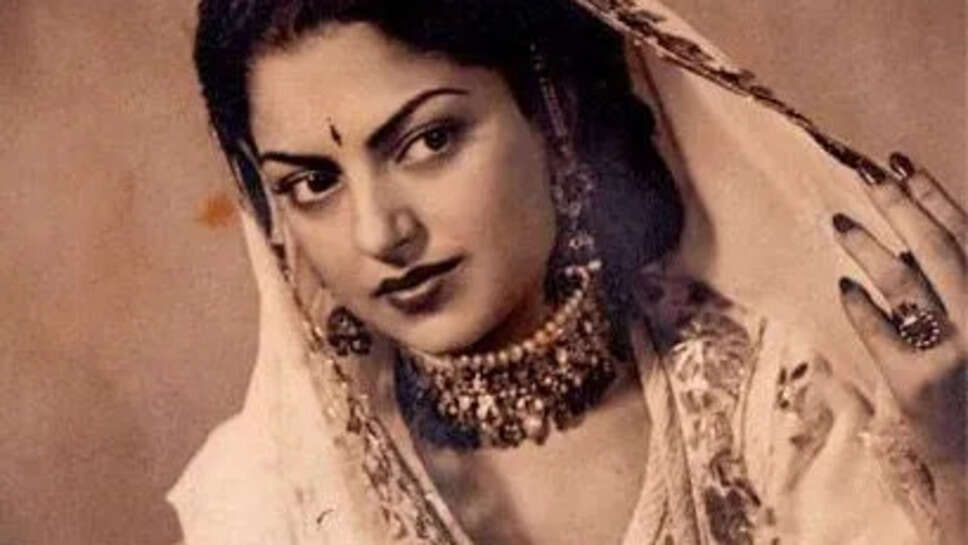
The real story of Zubeidaa is one of love, rebellion, sacrifice, and deep emotional pain. It is a tale rooted in real events from pre-independence India and later popularized through the Hindi film Zubeidaa. The character of Zubeidaa is inspired by the life of Zubeida Begum, a woman who dared to challenge social norms and paid a heavy personal price for it.
Who Was Zubeida Begum
Zubeida Begum was born into a progressive Muslim family in the early 20th century. Her upbringing was modern for the time, allowing her to develop independent thinking and artistic interests. Unlike many women of her era, she was encouraged to express her opinions and dreams, which later influenced the bold decisions she made in life.
Zubeidaa’s Dream of Becoming an Actress
From a young age, Zubeidaa aspired to become an actress, a profession considered taboo for respectable families during that period. Despite social resistance, she entered the early Indian film industry. However, her acting career remained short-lived due to constant pressure from society and her family, forcing her to abandon her passion prematurely.
Marriage and Entry into Royal Life
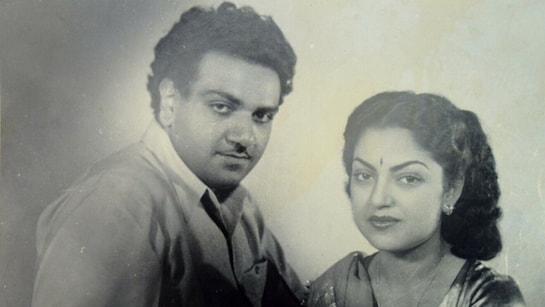
Zubeidaa’s life took a dramatic turn when she fell in love with a royal prince who was already married. Defying conventions, she married him and became his second wife. This decision brought her into the world of royalty, but instead of happiness, it led to isolation, emotional neglect, and constant struggle for acceptance within the royal household.
Loneliness Behind Palace Walls
Although Zubeidaa lived in palaces and enjoyed royal privileges, her personal life was filled with loneliness. She was often kept away from her husband due to political responsibilities and palace customs. Her position as the second wife further marginalized her, leaving her emotionally vulnerable and unheard.
Political Changes and Personal Tragedy
After India’s independence, princely states lost their power and privileges. This political shift deeply affected Zubeidaa’s life. The loss of royal status, combined with emotional abandonment, pushed her into severe depression. Her dreams, love, and identity slowly crumbled under the weight of changing times.
Zubeidaa’s Death and Unanswered Questions
Zubeidaa died under tragic circumstances, and her death remains surrounded by unanswered questions. Many believe she died by suicide due to prolonged emotional suffering, while others view it as the inevitable outcome of a life marked by suppression and heartbreak. Her death symbolized the silent struggles of many women trapped between tradition and personal freedom.
How the Film Portrays the Real Story
The film adaptation presents Zubeidaa’s story through emotional storytelling and strong performances, especially highlighting her inner conflicts and desires. While some cinematic liberties were taken, the core pain, rebellion, and tragedy of her real life were portrayed with sensitivity and depth.
Why Zubeidaa’s Story Still Matters
Zubeidaa’s real story remains relevant even today because it reflects the cost of denying personal freedom, especially for women. Her life stands as a reminder that wealth, status, and power cannot replace emotional fulfillment, dignity, and the right to choose one’s own path.
Conclusion
The real story of Zubeidaa is not just about royalty or romance; it is about a woman who dared to live on her own terms in a rigid society. Her life, filled with courage and sorrow, continues to resonate as a powerful narrative of love, loss, and unfulfilled dreams.