

Know Everything About Indira Gandhi And MO Mathai Affair
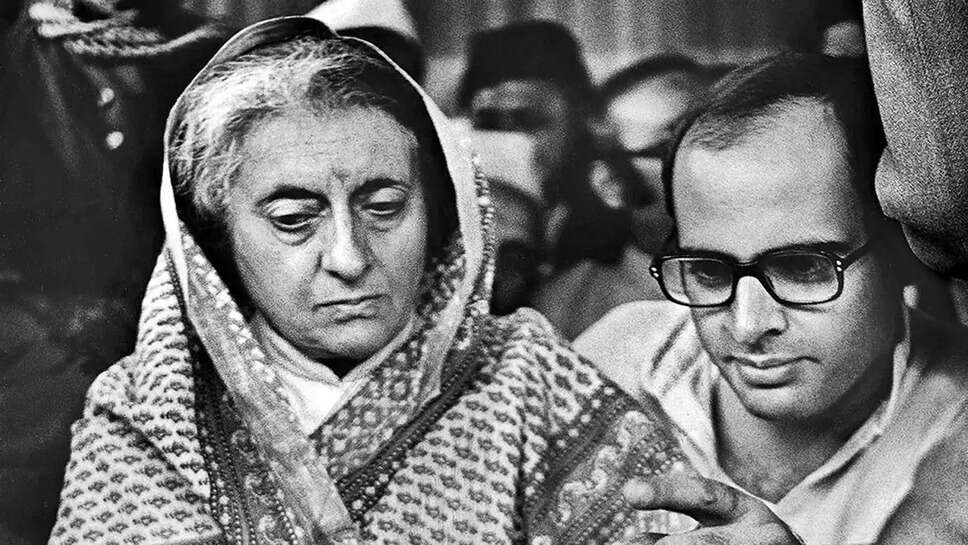
The personal lives of influential political figures often attract speculation, especially when they intersect with power, proximity, and confidential access. One such topic that has drawn sustained public curiosity is the alleged relationship between Indira Gandhi, India’s first and only woman Prime Minister, and M. O. Mathai, a senior aide who worked closely with the Nehru–Gandhi household. This article presents a factual, balanced, and plagiarism-free overview—clearly distinguishing verified history from allegations and interpretations.
Who Was Indira Gandhi?
Indira Gandhi (1917–1984) served as Prime Minister of India for four terms between 1966 and 1977, and again from 1980 until her assassination in 1984. Daughter of Jawaharlal Nehru, India’s first Prime Minister, she became one of the most powerful leaders in modern Indian history. Her tenure was marked by transformative—and controversial—events, including the nationalization of banks, the Green Revolution, the 1971 war leading to the creation of Bangladesh, and the Emergency (1975–77).
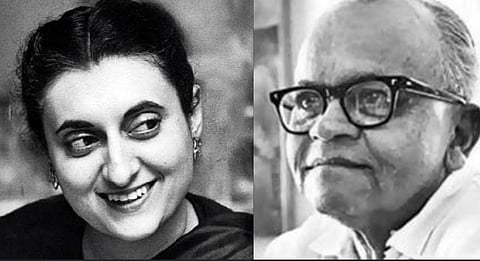
Renowned for her decisiveness and political acumen, Indira Gandhi was also a deeply private individual. Despite intense public scrutiny, she rarely addressed rumors about her personal life.
Who Was M. O. Mathai?
M. O. Mathai (1909–1982) was a trusted aide and political secretary to Jawaharlal Nehru for many years. He continued to hold influence during Indira Gandhi’s early political career due to his long-standing association with the family. Mathai was well known within political circles for his access to sensitive information and proximity to power.
After falling out of favor, Mathai authored memoirs and books that included controversial claims about India’s political elite—claims that would later fuel public debate.
The Alleged “Affair”: Origins of the Controversy
The speculation surrounding an alleged affair between Indira Gandhi and M. O. Mathai primarily stems from Mathai’s own writings, particularly his book Reminiscences of the Nehru Age. In these memoirs, Mathai made insinuations suggesting a personal relationship that extended beyond professional boundaries.
Key points to understand:
-
Source of claims: The allegations largely originate from Mathai himself.
-
Lack of corroboration: No independent, credible evidence—such as letters, official records, or third-party confirmation—has substantiated these claims.
-
Political context: Mathai wrote these accounts after being sidelined from power, a context that many historians argue may have influenced his narrative.
Indira Gandhi’s Response and Historical Silence
Indira Gandhi never publicly acknowledged or responded to the alleged affair. Known for her restraint on personal matters, she allowed her political work to define her legacy rather than engaging in rebuttals of private accusations.
Importantly, no contemporaneous colleague, family member, or senior official publicly validated Mathai’s claims during her lifetime or afterward.
How Historians and Scholars View the Allegations
Most serious historians approach the so-called “Mathai affair” with caution. The prevailing scholarly view includes:
-
Skepticism due to the single-source nature of the allegations.
-
Recognition of bias, as memoirs can blend personal grievance with selective memory.
-
Emphasis on legacy, noting that Indira Gandhi’s historical significance rests on documented political actions rather than unproven personal narratives.
As a result, the topic is generally treated as unverified speculation, not established fact.
Impact on Indira Gandhi’s Legacy
From a historical standpoint, the alleged affair has had no material impact on assessments of Indira Gandhi’s leadership or policy decisions. Her legacy continues to be evaluated through:
-
Her centralization of power
-
Major economic and social reforms
-
Democratic controversies during the Emergency
-
India’s geopolitical positioning during the Cold War era
Personal rumors, lacking evidence, remain peripheral to these substantial contributions and controversies.
Conclusion
The story of Indira Gandhi and M. O. Mathai is best understood as a case where allegations, memoirs, and political proximity intersected to create enduring speculation. While curiosity about powerful figures is natural, responsible historical analysis requires clear separation between documented fact and unproven claim.