

Know Everything About Sambhaji Raje Bhosale
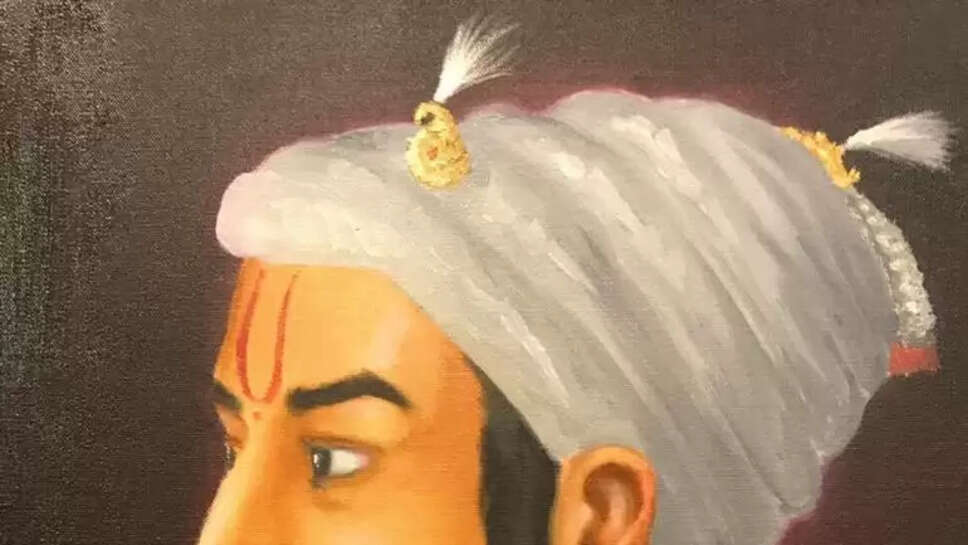
The son of Chhatrapati Shivaji Maharaj (the founder of the Maratha Empire), Sambhaji Raje Bhosale was born on May 14th, 1647, at the Purandar fort. Sambhaji's early childhood coincided with the death of his mother, Saibai, and he grew up in the house of his grandmother Jijabai, where he was raised as a Maratha. Sambhaji grew up with a great sense of duty towards Swarajya, and this became apparent when he started displaying courage and intelligence at an early age. Sambhaji was known not only as a warrior but also as a writer, an administrator and a strategist. He was fluent in Sanskrit, Marathi and Hindi and was also an accomplished poet. He is credited with two literary works, “Nakhshikh’’ and “Nayakabhad’’, written in a refined Hindi style.
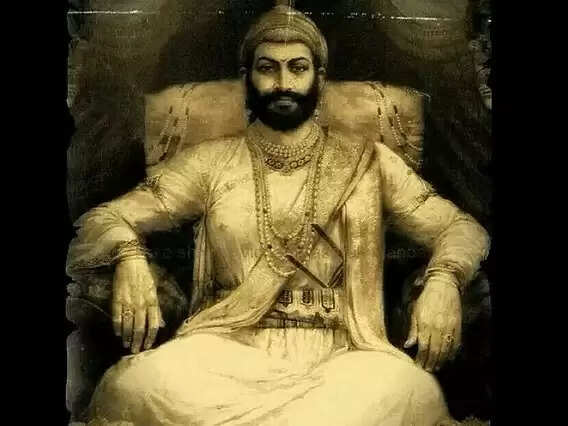
During his youth, Sambhaji was sent to the Mughal court as part of political negotiations, where he was held in confinement for a period of time. His exposure to the political environment of Delhi gave him an understanding of Mughal politics. It intensified his desire to protect the Maratha power that was coming into existence. After he fled from Delhi, he rejoined his father and, over time, began to participate in campaigns that would enlarge the empire.
Following Shivaji Maharaj’s death in 1680, a dispute arose within the royal family over succession to the throne. Some factions attempted to have Rajaram, Shivaji’s younger son from Soyarabai, as king. However, in the end, Sambhaji was crowned as the second Chhatrapati of the Maratha Empire after he asserted his right to succeed his father. The coronation signalled the start of a challenging period in the history of the Empire, with significant military pressure from the Mughal Emperor Aurangzeb and also pressure from other regional powers.
Sambhaji Maharaj focused on protecting the freedom of his father's empire during his rule. He faced a constant threat of invasion from the Mughals, yet he successfully guarded most of his empire against the Mughals. He also led successful military expeditions against the Portuguese that increased the strength of the Maratha Navy and the coastal defences in India.
Through treachery by his relative, Ganoji Shirke, Sambhaji Maharaj was taken captive by the Mughal Empire in 1689. He suffered cruel torture at the hands of the Mughal Empire for refusing to convert to Islam or reveal his military strategies to the Mughal leaders. He showed great courage until the end of his life, and after his martyrdom, his bravery inspired and motivated the Marathas to continue their struggle against the Mughal Empire with even more commitment and enthusiasm.
Today, Sambhaji Maharaj is remembered as both a great warrior and a great King.