

Know About Kingdoms of Central Asia - Mongols
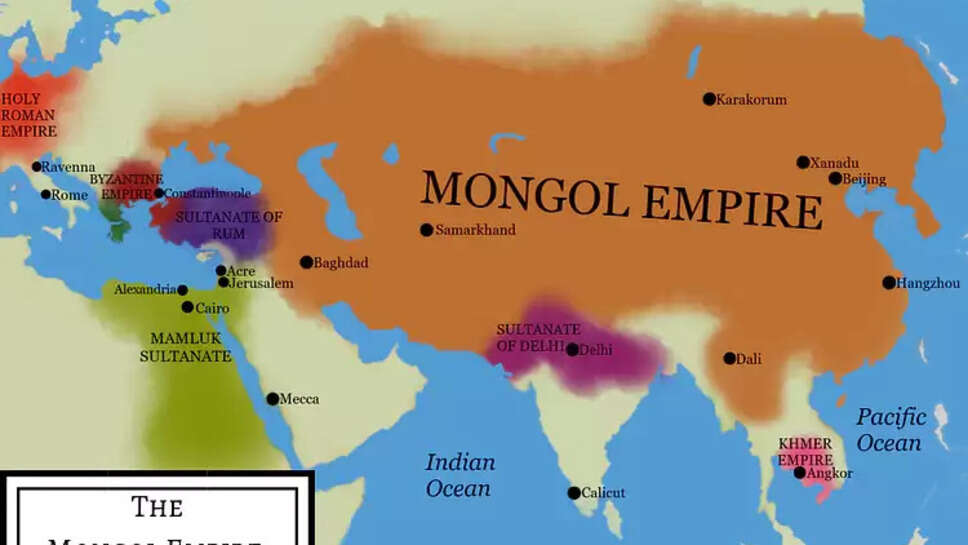
In the great plains of Central Asia, for eons lived nomadic societies that centered their lives on survival, mobility, and warfare. In these groups, the Mongols stood out to become the preeminent power in world history. Their rise was not quick nor unexpected, but rather a result of centuries of migration, tribal trade, and the slow merging of cultures on the steppe.
Origins of the Mongol People
Turkic and Tungusic groups were the forebears of the Mongols, who lived in northeast Central Asia and East Asia. Early Turkic communities had ties with Indo-Iranian tribes, while proto-Mongol groups grew up with the Tungusic people. From their classic founding epic, The Secret History of the Mongols, we learn that the ancestors of the Mongols crossed the “Tengis,” which may have been Lake Baikal or Lake Hulun, twenty-two generations before the birth of Temujin (later to become Genghis Khan) in 1162. Although scholars still dispute which lake is referred to, it is clear that both played key roles in the early development of the Mongol nation.
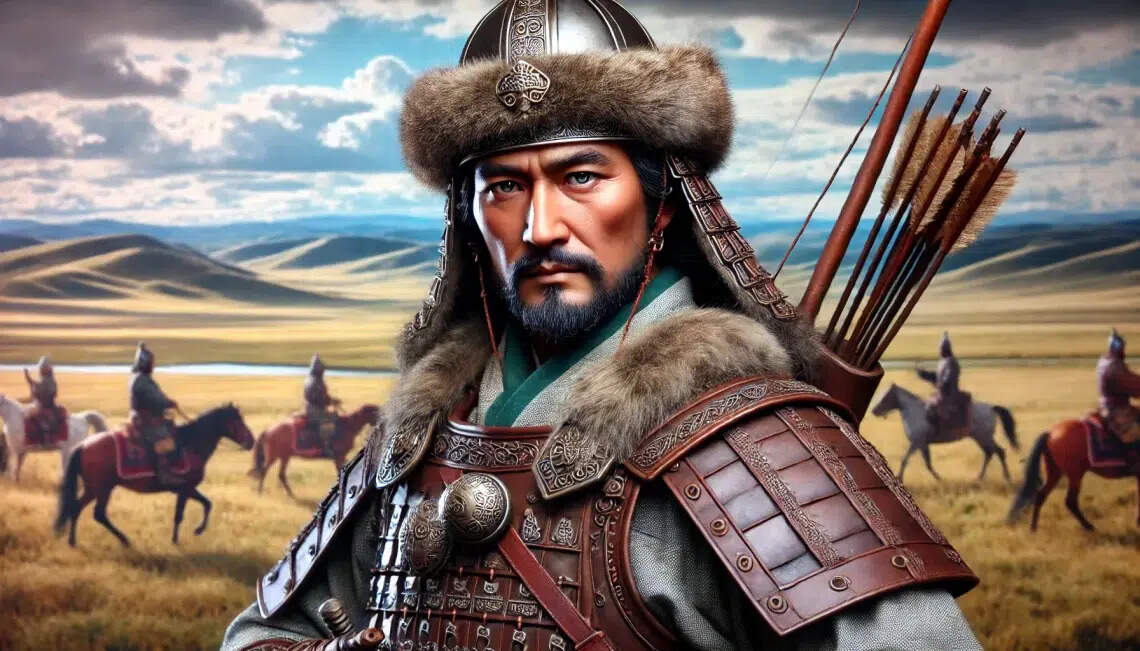
One of the strongest cases for Lake Hulun to be the homeland of the Shiwei, a wood-dwelling confederation as reported in the 5th century, is that of the Meng-wu or Meng-ku, which are the early Mongols. Over time, they left the forest for the steppe, took up herding, and settled by the River Erguna. For a few hundred years, this area shaped their culture, which, before they went west into what is now Mongolia.
Tribal Structure and Early Leaders
Before the Mongol tribes coalesced into a single entity, they lived separately from each other in different clans, which were ruled by chieftains. They married into neighboring tribes like the Ongirat, which in turn formed alliances. At the same time, they had conflicts with groups like the Jalair and Khitans, which in turn changed the power dynamics.
The lineage of Mongol leaders goes back to legendary ancestors, which include Borte Chino and Gua Maral, also to figures like Dobu Mergen and Bodonchar Munkhag, the founder of the Borjigin clan. The Borjigins went on to dominate Mongol politics and produce their greatest ruler, Genghis Khan.
By the 13th century, leaders like Khabul Khan and Ambaghai sought to unite the tribes under the Khamag Mongol confederation. But also, they had struggled with powerful neighbors, which at that time were the Jin dynasty and their long-time enemies, the Tartars.
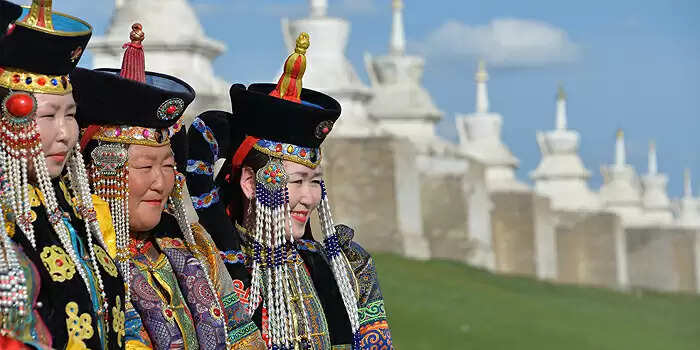
Rise of Temujin: From also this to Khan
Temujin's story started in poverty. After his father, Yesugei, was killed by the Tartars, young Temujin and his family were outcast by their own clan. Through the years of struggle that followed, he learned the skills of survival, strategy, and the value of loyalty. Also, he won over allies, in particular Toghril Khan of the Kerait and his own mother’s Onggirat tribe.
Through the use of his willpower and military genius, Temujin defeated the Tartars, put down rival tribes, and built a great army. In 1206, at the age of 44, he was made Chingiz (Genghis) Khan, which means “Universal Ruler”. As a leader, he turned the Mongols from separate clans into a powerful empire, which in turn left its mark on the history of Asia and the world.