A Bond Rooted in Faith, Not Convenience
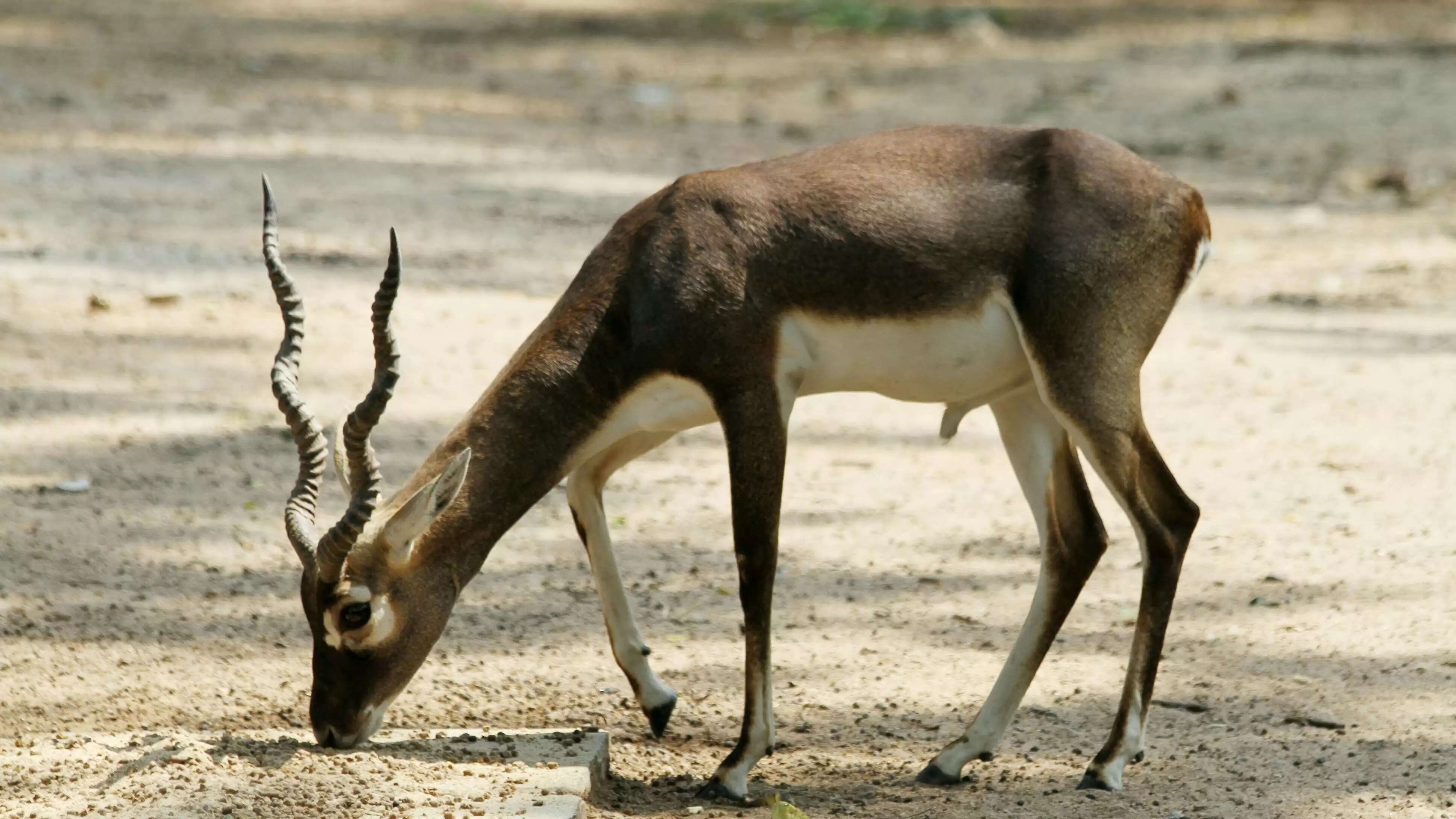
The Bishnoi people are extraordinary in their relationship with nature, in the dry environment of the Rajasthan region, where they have a daily struggle to survive. The blackbuck ( Antilope cervicapra) must have a special status among all living creatures they take care of. To the Bishnois, blackbucks are not just wild creatures. They are divine lives that form a part of their spiritual, cultural, and ethical history.
Teachings of Guru Jambheshwar Ji
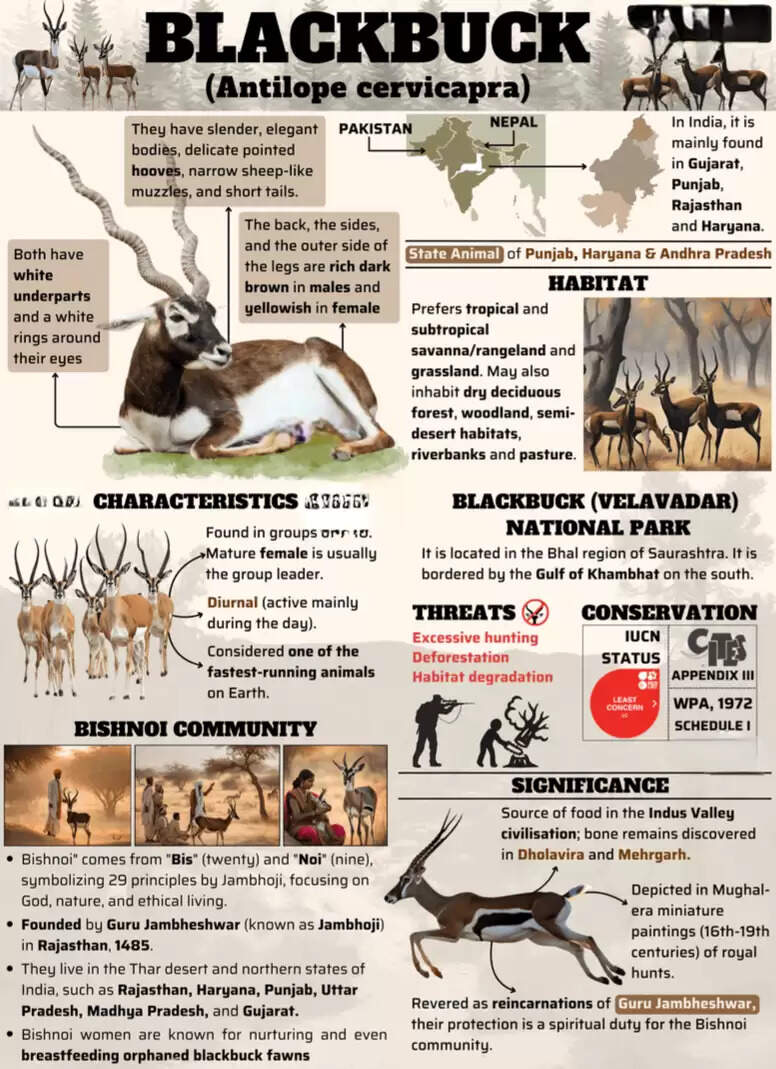
The significance of blackbucks to the Bishnoi people was a result of the guidance of Guru Jambheshwar Ji, who was a saint who lived in the 15th century and died in the year 1504, and became the founder of the Bishnoi sect. He left 29 principles (on which the term Bishnoi is based -bish means twenty and noi means nine) which focus on kindness toward all the living things, the preservation of wildlife and the preservation of the environment. Among the fundamental ideologies is jeev daya- benevolence to life. Blackbucks were soft herbivores of the desert ecosystem, thus, they became the symbols of innocent life that should be preserved by all means possible.
Blackbucks as Sacred Beings
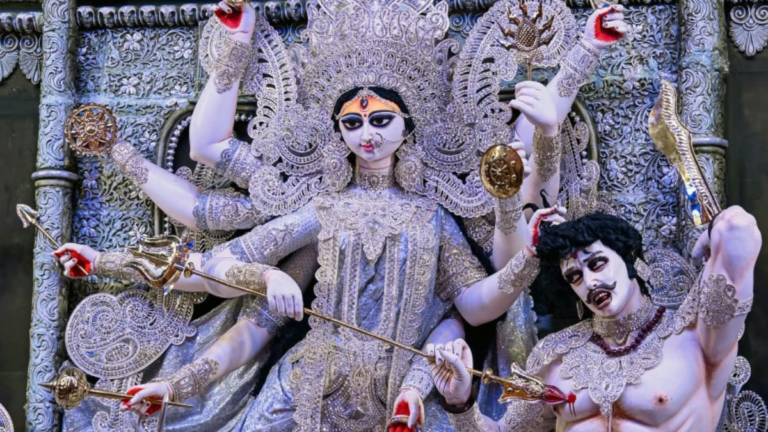
Blackbucks within Bishnoi villages are free to roam, and in most cases, they share water sources with people and grazing fields. It is a heinous crime to cause hurt or kill a blackbuck, which is akin to hurting an individual belonging to the family. Lots of Bishnois call blackbucks the sons of the goddess of the deer, which supports the idea that it is not a legal duty but a sacred matter.
Guardians of the Ecosystem
Blackbucks are significant in ecology besides being of religious interest. Since they are grazing animals, they maintain the balance of the grasslands and promote the biodiversity of desert and semi-arid habitats. The Bishnoi community had always known that without educational efforts by scientists well into conservation science. They have been protecting the blackbucks, and this has preserved the delicate ecosystems in Rajasthan for centuries.
History of Sacrifice and Courage
Bishnoi devotion to the protection of blackbucks is not an empty symbolism, and this is supported by history. People in society have, on several occasions, risked and even lost their lives in the name of wildlife protection. This undying commitment has transformed the Bishnois into one of the oldest and most admired conservationist communities in the world. They show that faith conservation could be stronger than laws.
A Living Example of Coexistence
Even now, with the protection of the blackbucks by laws governing wildlife in India, their most secure habitats are still in the Bishnoi-dominated regions. This co-existence provides the contemporary world with an effective lesson: conservation can be effective as soon as the respect for nature becomes not only a policy but a way of life.
Conclusion
The Bishnoi people attach much more significance to the blackbuck than just religion. It is the symbol of compassion, the wisdom of ecology, moral responsibility, and the harmonious life. The Bishnoi-blackbuck relationship can be viewed as the eternal lesson that wildlife can be saved rather than used in a time when the future of many species is being threatened daily.
About the Author