
How to Track and Control High Blood Pressure at Home
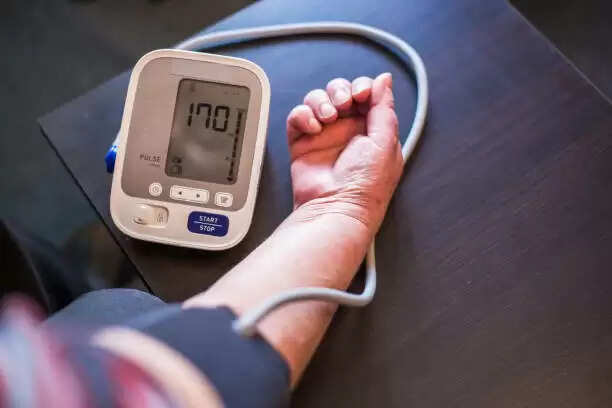
Hypertension, or high blood pressure, is a chronic disease that plagues millions of individuals globally. It is commonly referred to as a "silent killer" as it usually does not present with symptoms unless serious complications develop. Home blood pressure monitoring and management are important for timely intervention and future health. By having the proper equipment and information, you can manage your condition and lower the chances of heart disease, stroke, and renal disease.
In this article, we will discuss simple ways to monitor and manage high blood pressure at home. We'll also cover medicines that can be a part of a hypertension treatment plan. Let's proceed.
Why Home Monitoring is Crucial for Blood Pressure
Monitoring blood pressure at home benefits in the following manner:
- Early detection: Catch increasing levels before complications arise.
- More precise readings: Avoid "white coat syndrome," in which blood pressure increases as a result of stress during medical appointments.
- Tracking medication efficacy: Measure how effectively your treatment, for example, minipress xl tablet or biozocin 2.5 xl tablet, is functioning.
- Influences behavior change: Observing changes from exercise and diet encourages adherence.
How to Measure Blood Pressure at Home
1. Select a Trusted Blood Pressure Meter
Search for an automatic upper-arm cuff monitor that is cleared by health authorities. Wrist or finger monitors are less accurate. Considerations include:
- Memory storage
- Digital display
- Adjustable cuff size
2. Set Up Properly
Before taking a reading:
Sit quietly for 5 minutes or more.
- Avoid exercise, smoking, or caffeine intake for 30 minutes.
- Position the cuff on bare skin, not over clothing.
- Rest your arm at heart level on a table.
3. Follow a Consistent Routine
Take at the same time every day, morning and night, if possible.
- 2–3 readings each time and take an average.
- Keep a record in a logbook or health application.
4. Interpret the Readings
Blood pressure categories in general are:
- Normal: <120/80 mmHg
- Elevated: 120–129/<80 mmHg
- Stage 1 Hypertension: 130–139/80–89 mmHg
- Stage 2 Hypertension: ≥140/90 mmHg
- Hypertensive Crisis: >180/120 mmHg (Get emergency treatment)
Lifestyle Changes to Manage Blood Pressure
1. Heart-Healthy Diet
Adhere to the DASH diet (Dietary Approaches to Stop Hypertension). Incorporate:
- Fresh vegetables and fruits
- Whole grains
- Low-fat milk
- Lean meats
- Nuts and seeds
Avoid:
- Too much salt (limit to <1,500 mg a day)
- Saturated and trans fats
- Processed snacks and sweetened drinks
2. Exercise Daily
Take at least 30 minutes of moderate exercise every day of the week. Walking, swimming, and cycling are great choices.
3. Keep Your Weight Healthy
Even minor weight loss can reduce blood pressure. Monitor your body mass index (BMI) and waist size.
4. Restrict Alcohol and Stop Smoking
Alcohol increases blood pressure when taken in large quantities. Smoking harms blood vessels and speeds up hypertension-associated complications.
5. Stress Management
Recurring stress elevates blood pressure. Engage in relaxation activities such as deep breathing, yoga, or mindfulness meditation.
Medication Management
On certain occasions, only lifestyle modifications might not be sufficient. Physicians prescribe medicines such as:
Minipress XL
Minipress XL (prazosin extended-release) is an alpha-blocker that causes blood vessels to relax so that blood is able to flow more freely. It is usually used after other medication has not been well tolerated, or in combination therapy.
Biozocin 2.5 XL Tablet
Biozocin 2.5 XL Tablet is also a prazosin brand. It also relaxes vascular smooth muscle, thereby reducing blood pressure, as Minipress XL does. It is also quite well tolerated and may alleviate urinary symptoms in some patients.
Points to remember when taking these medicines:
Take exactly as directed.
- Inform your doctor about side effects such as dizziness or weakness.
- Do not discontinue them without your physician's instructions.
- Regular blood pressure monitoring should be done to assess the drug's efficacy.
When to Call the Doctor
Call your doctor if:
- Readings remain constantly above 140/90 mmHg even with treatment.
- You have symptoms such as chest pain, shortness of breath, severe headache, or change in vision.
- You develop side effects from drugs such as biozocin 2.5 xl tablet.
- You are confused about how to take your drug correctly.
Tips to Stay on Track
- Use reminders: Set alarms or use pill organizers.
- Keep a journal: Record food, activity, blood pressure, and medication.
- Schedule regular check-ups: Discuss your home readings with your doctor.
- Stay informed: Educate yourself about your condition and how medication fits in, including how various blood pressure medications work.
Final Thoughts
High blood pressure is controllable at home and works effectively when done correctly. Coupling daily monitoring with diet, exercise, and, as required, medications such as Minipress XL and Biozocin 2.5 XL Tablet, you can control your health and decrease your risk of serious harm. Educate yourself with information, remain regular with your efforts, and coordinate with your physician to continue to effectively control your blood pressure over the long term. If low blood pressure is something you often struggle with as an older adult, then you may also experience falls. In either instance, getting a life alert for older adults is one of the best things you can do, as if you ever experience a medical emergency, you know you’re going to be protected.