
What Young Women Should Know About Breast Health in Their 20s & 30s
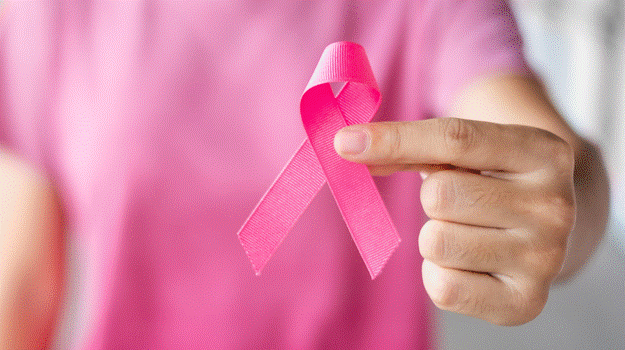
Many people think breast cancer is something that only affects women over 50. But that’s not always true. In recent years, more women in their 20s and 30s have been diagnosed with breast cancer and often at a later stage when it can be harder to treat.
That’s why it’s important for younger women to take their breast health seriously. Even if you feel healthy, being aware of risk factors, understanding early warning signs, and getting regular check-ups can make a significant difference.
Why Breast Cancer in Young Women Matters
Breast cancer isn’t just a concern for older women. About 5–7% of cases occur in women under 40. While this number may seem small, it’s still important because breast cancer in younger women tends to be more aggressive. It can grow faster, spread more quickly, and may be harder to treat.
For women in their 20s and 30s, a diagnosis also brings emotional and practical challenges. Many are focused on building careers, relationships, or starting a family. A sudden health crisis can affect fertility, self-image, and long-term plans.
What makes it more serious is that many young women don’t think they’re at risk. As a result, they may ignore symptoms or delay seeking medical attention, which can lead to a late diagnosis.
The earlier breast cancer is found, the better the chances of successful treatment. That’s why awareness, even at a young age, is crucial to maintaining good health. If you’re concerned or have any symptoms, consider consulting with specialists for expert advice and early diagnosis of breast cancer treatment.
Risk Factors to Know
Even without a family history, it’s possible to develop breast cancer. However, certain factors increase your risk, especially at a younger age:
- A close relative diagnosed before age 50
- Inherited mutations in the BRCA1 or BRCA2 gene
- Exposure to chest radiation therapy in childhood or early adulthood
- Hormonal factors like early menstruation or long-term contraceptive use
- Dense breast tissue that makes detection harder
- Sedentary lifestyle, obesity, smoking, and heavy alcohol consumption
- Ashkenazi Jewish ancestry (these women are linked to higher BRCA mutation risk)
If you fall into any of these categories, talk to your doctor. Early risk assessment can help you decide whether genetic testing or earlier screening is appropriate.
Recognising the Signs
Many young women who are diagnosed with breast cancer first notice changes on their own. That’s why self-awareness is crucial for the early detection of breast cancer. Some common signs include:
- A lump in the breast or underarm
- Changes in breast shape, size, or symmetry
- Redness, dimpling, or thickening of the breast skin
- Inverted nipples or unusual nipple discharge (especially blood)
- Persistent breast pain or tenderness
While not every lump is cancerous, it’s always better to get it examined by a professional. Trust your instincts and act quickly if something doesn’t feel right.
How to Lower Your Risk
Younger women can take proactive steps to improve breast health:
- Know your body: Learn how your breasts normally look and feel. Perform monthly self-exams.
- Stay active: Aim for at least 30 minutes of physical activity daily.
- Eat well: Focus on whole foods, fruits, vegetables, and limit processed foods.
- Avoid smoking and limit alcohol: Both are linked to higher cancer risk.
- Maintain a healthy weight: Obesity increases the risk of various cancers, including breast cancer.
- Discuss family history: If breast cancer runs in your family, you may benefit from early genetic testing.
- Keep up with doctor visits: Don’t skip your annual health check-ups, even if you feel fine.
What Happens If You’re Diagnosed?
If you're diagnosed with breast cancer in your 20s or 30s, the treatment journey may feel overwhelming. But there are several options tailored to younger patients:
- Surgery: This could involve removing the lump (lumpectomy) or the entire breast (mastectomy).
- Chemotherapy: Often used for aggressive cancers; it can affect fertility, so discuss fertility preservation early.
- Radiation therapy: Usually given after surgery to destroy any remaining cancer cells.
- Hormonal therapy: Helps treat hormone-receptor-positive cancers by blocking the effects of oestrogen.
- Targeted therapy: Focuses on specific genes or proteins in cancer cells, offering precise treatment with fewer side effects.
It’s important to have a medical team that listens to your concerns and involves you in every decision.
Where to Turn for Support if You Live in Maharashtra
If you live in Maharashtra and are seeking expert care close to home, Onco-Life Cancer Centre can be a helpful option. With centres in Satara, Chiplun, Wagholi and Talegaon, they provide advanced and affordable cancer care and PET/CT Scan under one roof.
Backed by cutting-edge technology, like Tomotherapy (available at the Talegaon unit) and a strong team of specialists, Onco-Life offers evidence-based, compassionate care. Their team includes some of the leading breast cancer specialists, who focus on personalised treatment plans and holistic patient well-being.
Conclusion
Being in your 20s or 30s doesn’t make you immune to breast cancer. Though less common, when it strikes young women, it’s often more serious. Knowing your risk factors, recognizing early signs, and maintaining a healthy lifestyle can go a long way in protecting your health. If you’re ever unsure about a lump, change, or symptom, speak to a qualified doctor. Early action saves lives.
If you're in need of specialized care, consider visiting a cancer hospital in Pune for expert guidance and support.