

What You Should Know Before Choosing a Waterproofing Solution for Your Home
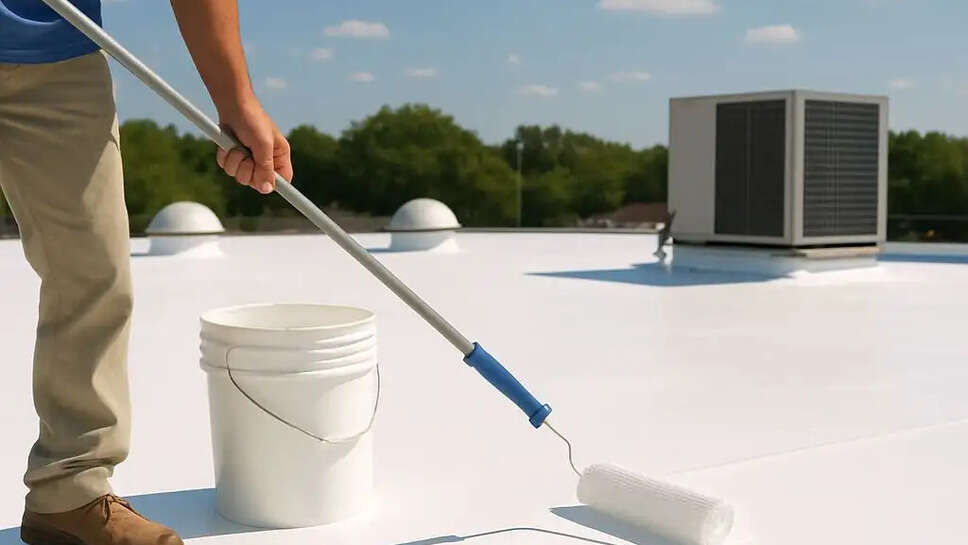
A damp patch is easy to ignore until it spreads. Then you are dealing with peeling paint, musty odour, and repeated repairs. In India, monsoon rains are followed by heat stress, which can cause damage to balconies and external walls, so waterproofing is best treated as a preventive measure. If you are comparing products or waterproofing services, focus on fit and application quality, not marketing claims.
In this article, you will explore how to assess damp issues, compare options, and choose reliable waterproofing services.
Why Waterproofing Matters in Indian Homes
Moisture often enters through tiny gaps, weak corners, and surfaces that hold water. Once inside plaster or masonry, it can travel and appear away from the actual entry point.
- Tiny cracks let rainwater creep in quietly.
- Wet corners trap moisture longer after showers.
- Moisture travels inside walls, and stains appear elsewhere.
Start with the Source of Moisture
Before selecting a coating or membrane, trace the source of the water. A terrace leak, a bathroom seepage issue, and an exterior wall exposed to driving rain are not the same problem.
Differentiate between Leak And Damp
A leak is active water entry, such as ponding on a terrace, gaps around pipe openings, or failed joints in wet areas. Damp can be trapped moisture, condensation, or porous walls absorbing water. Treating the stain without fixing the cause is where quick fixes fail.
Know the Main Types of Waterproofing Systems
Most home solutions fall into a few categories. Your contractor should explain why a system is suited to your surface and exposure.
- Cementitious coatings for masonry and wet areas.
- Liquid-applied membranes that form a seamless film and remain flexible.
- Bituminous coatings are used for selected roof or foundation zones.
- Sheet membranes where joint detailing is critical.
- Sealers or additives that reduce absorption or support the main system.
For external walls, ensure the solution can withstand weathering and allow trapped moisture to escape. For terraces, confirm that slope, drainage, and cracks are corrected before the waterproof layer is applied.
Questions to Ask Before You Sign Off
Waterproofing succeeds or fails on preparation and detailing. When you compare quotations or waterproofing services, ask:
- What preparation is included, including cleaning and crack repair?
- How will corners and junctions be sealed, such as parapets and pipe entries?
- Is it compatible with existing tiles, paints, or older coatings?
- What curing conditions are required, and how will fresh work be protected from rain?
- What does the written warranty cover, and what would void it?
Plan the Timing and Aftercare
Schedule work during a dry spell so it can cure properly. After completion, keep outlets clear and watch for early signs, such as new hairline cracks. Catching minor issues early protects your home and your spending.
- Pick dry days so coatings cure properly.
- Keep drains clear, especially after heavy rains.
- Watch for hairline cracks and fix early.
Conclusion
Choosing the right waterproofing is really about understanding your home’s problem areas and applying it properly. Do not rush into a quick fix just because it sounds easy. Ask the right questions, check the surface preparation, and choose experienced waterproofing services. Done well, waterproofing keeps your walls healthier and keeps your repairs to a minimum.