

Know About 17 Indian Cricket Team Coaches From 1971 Till 2026
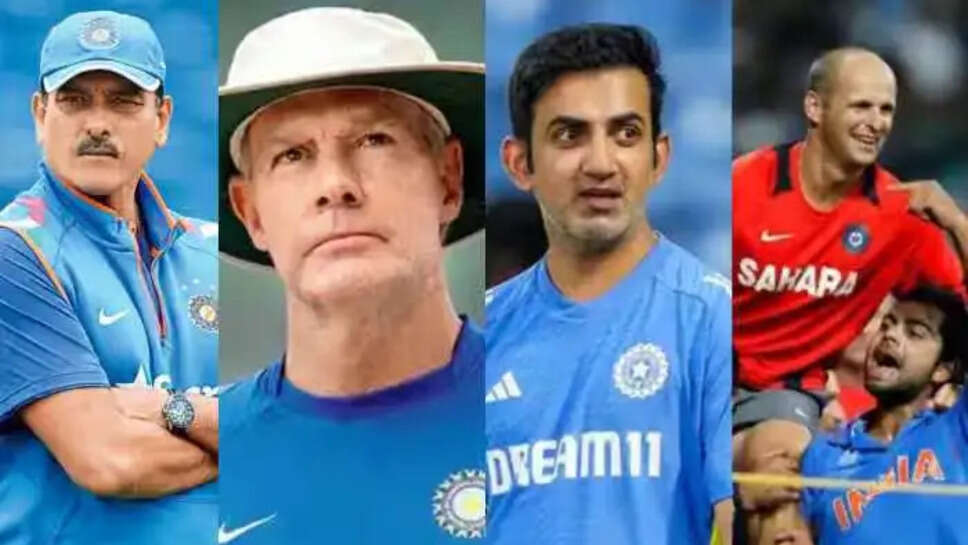
Know Almost 17 Indian Cricket Group Coaches From 1971 Till 2026
Cricket in India is more than a fair sport—it’s a feeling shared by millions. Whereas players sparkle on the field, the genuine spine of Group India’s victory has continuously been its coaches. From forming youthful ability to taking care of weight on the greatest stages, coaches have played a pivotal part in Indian cricket’s development. Here’s a brief, plagiarism-free diagram of the 17 head coaches of the Indian men’s cricket group from 1971 to 2026, along with their impact.
Early A long time: Building the Establishment (1971–1990)
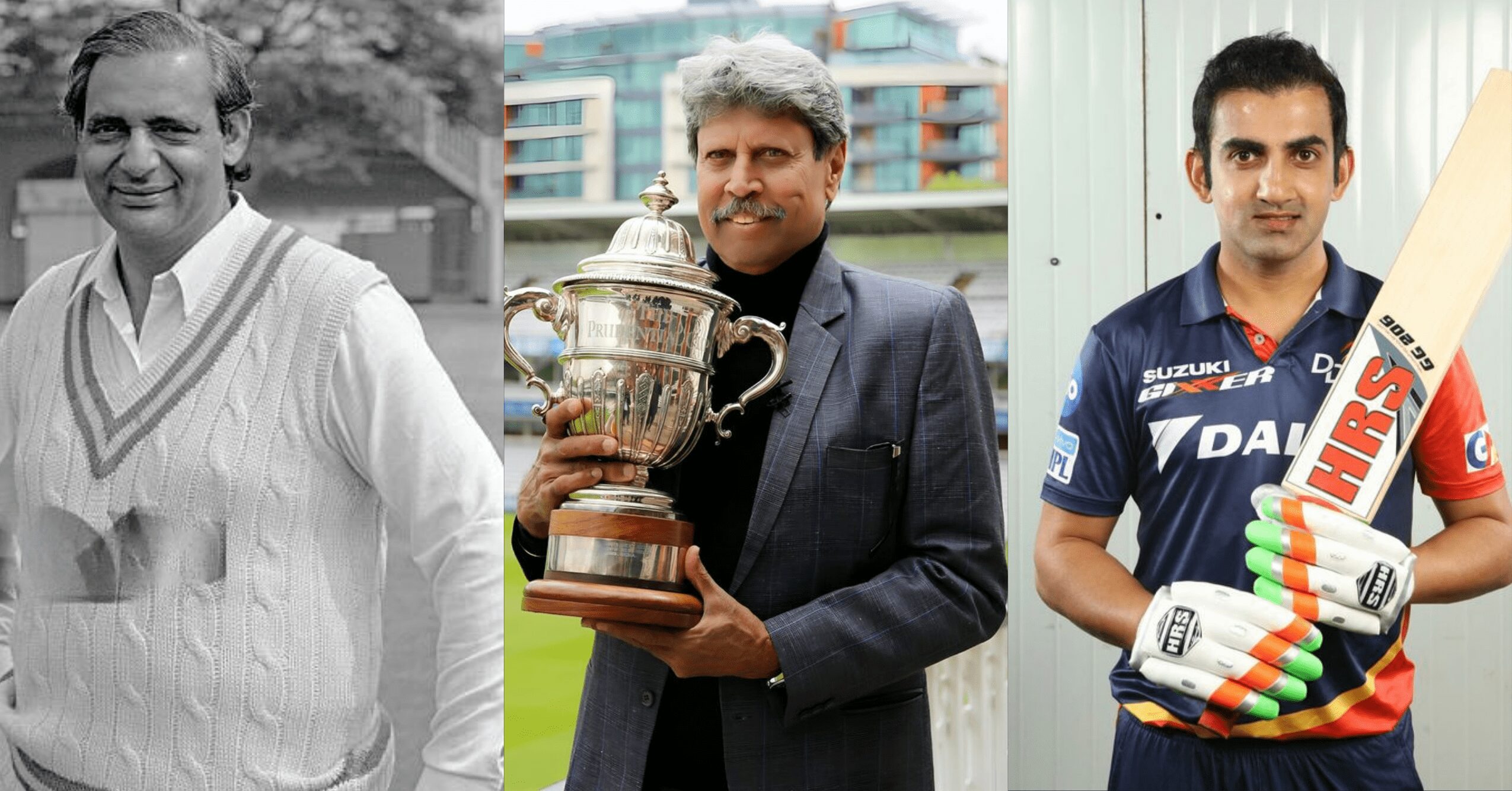
India’s coaching travel started with Raj Singh Dungarpur (1971–1974), who centered on prepping youthful players during a developmental stage. Hemu Adhikari (1979–1980) afterward emphasized cooperation and teaching. In spite of the fact that assets were restricted in these early years, these coaches made a difference lay the foundation for a more organized Indian team.
Strengthening the Center (1990–1999)
The 1990s saw previous players venturing into coaching roles. Bishen Singh Bedi (1990–1991) attempted to reinforce India’s bowling assault, followed by Abbas Ali Baig (1991–1992), who worked closely with developing talent.
Ajit Wadekar (1992–1996) brought solidity and progressed India’s domestic record. Madan Lal (1996–1997) centered on general adjustment, whereas Anshuman Gaekwad (1997–1999, 2000) worked on group solidarity amid a challenging move phase.
A Modern Mentality and Worldwide Presentation (1999–2007)
Kapil Dev (1999–2000) pointed to infuse animosity and certainty, but had a brief spell. A major move came with John Wright (2000–2005), India’s first outside coach, under whom the group became competitive abroad and came to the 2003 World Container final.
Greg Chappell (2005–2007) pushed youth and change, in spite of the fact that his residency was questionable. In particular, Lalchand Rajput (2007) delighted in a moment victory by directing India to its notable to begin with T20 World Cup win.
The Brilliant Stage (2008–2015)
India’s most fruitful coaching period started with Gary Kirsten (2008–2011). Beneath him, India won the 2011 ODI World Cup and became the No.1 Test team.
Duncan Fletcher (2011–2015) took over, following the 2013 Champions Trophy, in spite of the fact that abroad Test matches remained a challenge.
Dominance and Profundity (2016–2021)
Anil Kumble (2016–2017) fortified India’s Test dominance domestically. Before long, Ravi Shastri (2014–2016, 2017–2021) supervised one of India’s hardest groups, highlighted by the noteworthy Test series win in Australia (2018–19).
Modern Period and the Future (2021–2026).
Rahul Dravid (2021–2024) centered on seat quality and long-term planning, directing India to the 2024 T20 World Cup title.
In 2024, Gautam Gambhir took charge, bringing an intrepid mentality. Whereas his travel has fairly started, desires are as tall as India moves toward an unknown chapter.
Conclusion
From unassuming beginnings in the 1970s to worldwide dominance in advanced cricket, Indian coaches have formed Group India’s personality. They’ve overseen ability, weight, and alteration over eras. As cricket advances, so will coaching methods—but one thing remains certain: Indian cricket is in able hands, both on and off the field.