
Architecture has turned out to be a field that unites art, technology, sustainability, and cultural expression. Modern architects are no longer just those who make stunning buildings; the world’s best architects in 2025 will be the ones who challenge engineering limits, and even more, perhaps, they advocate for environmental and human-centered design.
The Top 10 Architects in the world are:
1. Bjarke Ingels (Denmark)
Founder: BIG – Bjarke Ingels Group
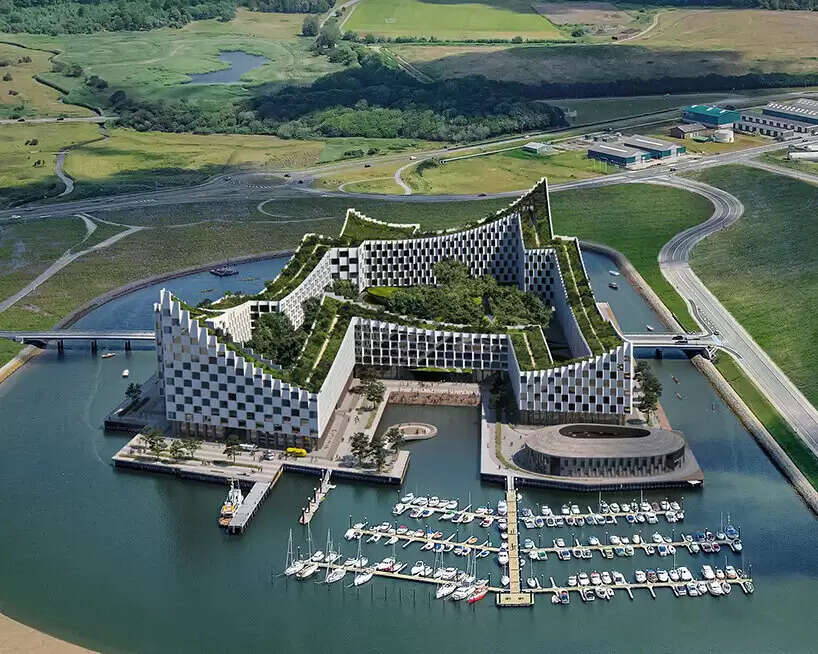
Bjarke Ingels is still one of the most effective architects of the time. He has been referred to as a “pragmatic utopianist,” and he has been the one to successfully combine the “playful” side of creativity and the “rigid” side of technology. Ingels’ eco-cities and climate-positive buildings, particularly in Europe, the Middle East, and North America, especially with his urban projects, are still beacons of his vision into the future and are already in 2025 shaping up rather beautifully in the sky.
2. Zaha Hadid Architects (Global)
Patrik Schumacher at the helm
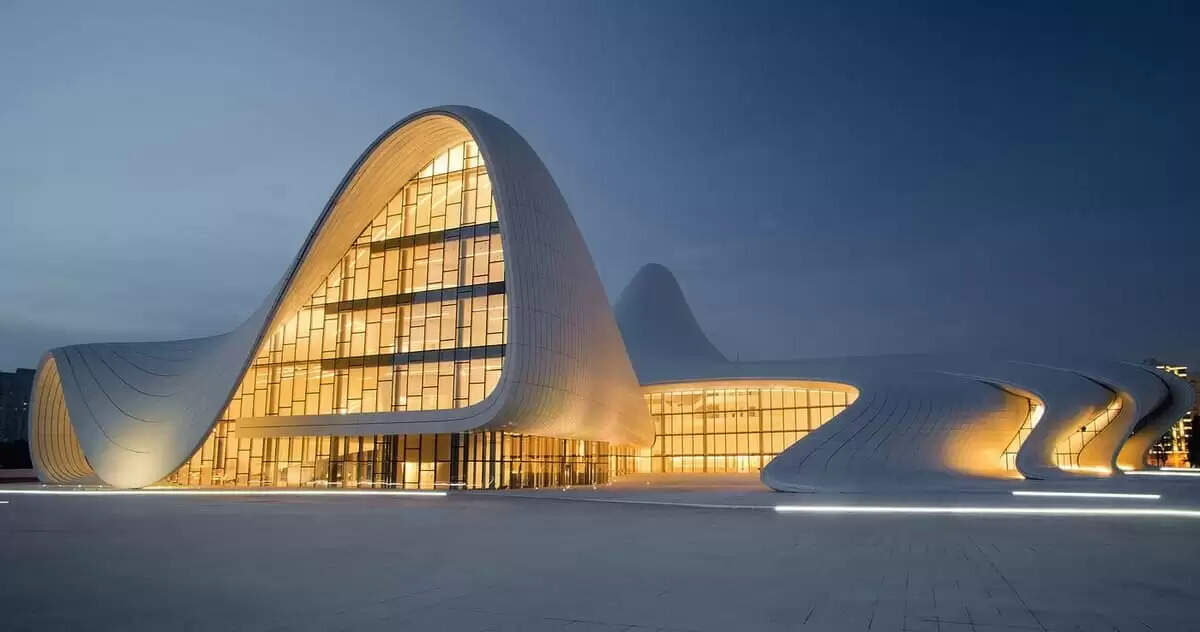
Even the untimely demise of Zaha Hadid did not diminish the power of her firm. ZHA is still the leading designer of the world’s most modern, fluid, parametric, and sometimes organic-like designs. They give rise to the global architectural shape of the future and the current 2025 list of projects, including advanced cultural complexes, intelligent transportation nodes, and spectacular sports arenas.
3. Norman Foster (United Kingdom)
Founder: Foster + Partners
Norman Foster’s legacy evolves with groundbreaking sustainable architecture. From solar-integrated skyscrapers to carbon-neutral airports, his mastery lies in blending technology with minimalism. In 2025, he continues pushing for net-zero design across the globe.
4. Shigeru Ban (Japan)
Shigeru Ban is an innovator in the field of architecture for his almost completely recyclable buildings. He also discovered a new method of combining recyclable materials with beauty. His works of 2025 comprise disaster relief shelters, community spaces, and eco-friendly houses—all of which serve as proof that architecture can be vibrant and responsible at the same time.
5. Frank Gehry (United States)
Frank Gehry is still the man who rocks the world with his soft and rounded forms related to the natural frontiers. In 2025, he will even be more recognized as a creator of bold and full-of-life cultural institutions with no limits. His trademark has been fluid shapes and titanium skins, and this still distinguishes his art from all other artistic expressions.
6. Jeanne Gang (United States)
Founder: Studio Gang
Jeanne Gang is the one who pioneered the concept of urbanism in a new way, concentrating on the community and theenvironment in her architectural creations. Her firm often engages in projects that lead to better public health and are, simultaneously, ecologically sound. In 2025, she continues her fight for the nature-mixed architecture of residential and urban buildings, with her signature idea of skyscrapers with green terraces.
7. David Adjaye (Ghana / United Kingdom)
David Adjaye’s architecture is the fusion of modern design and cultural narratives. He builds buildings that are not only historical but also future-oriented. During the year 2025, he managed to remain at the forefront of the major urban, museum, and memorial projects taking place worldwide and placing the spotlight on cultural identity.
8. Renzo Piano (Italy)
The winner of the Pritzker Prize, the Italian architect, continues to bring places that are light, simple, and connected with humans as his main characteristics. The 2025 Renzo Piano projects usually shine through the use of natural light, renewable materials, and durability—traits common to his museums, educational complexes, and harbors.
9. Santiago Calatrava (Spain)
Santiago Calatrava’s white, bird-like forms are a statement of dramatic architecture and imagination combined with engineering excellence. His work in 2025 includes transportation hubs, bridges, and the creation of significant public areas where the marriage of architecture and structural engineering is very well displayed.
10. Kengo Kuma (Japan)
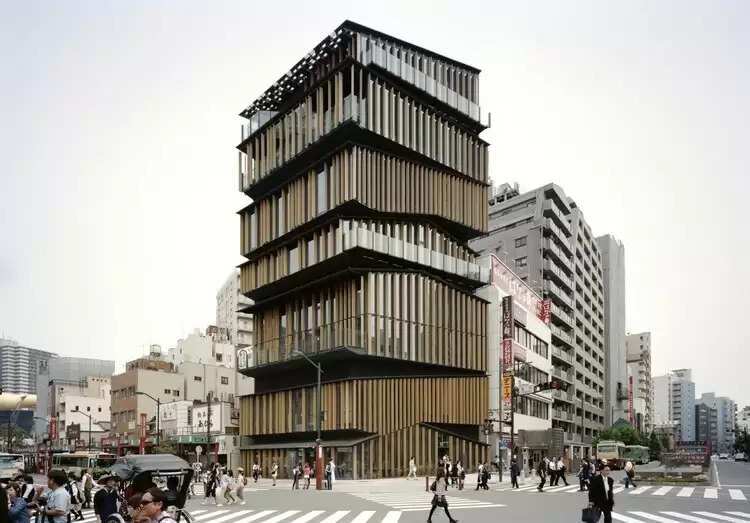
Kengo Kuma’s architectural language is the use of natural materials and the reconciliation with the environment. His designs for 2025 will not only be built of wood, stone, and Japanese craftsmanship but also be modernized for the contemporary world.
Emerging Trends:
1. Carbon-Positive Buildings
Architects are approaching designs that produce more energy than they consume with a futuristic mindset. Photovoltaic facades, bio-brick materials, and energy-regenerative construction techniques are becoming the norm.
2. AI-Assisted Design
Although human imagination is the driving force, AI tools make an architect’s work easier in the aspects of shape testing, sustainability optimization, and waste reduction — this leads to a quicker design process and a higher degree of accuracy.
3. Post-Pandemic Spatial Design
Flexibility, ventilation, open-air public spaces, hybrid working environments, and the like, which are the key elements of the new global lifestyle, are getting more pronounced.
4. Biophilic Urbanism
Architectural trends still rely heavily on green roofs, vertical forests, and solar designs, thus contributing to the creation of healthier, livable cities.
Conclusion
The leading architects of the year 2025 share one vision: a planet where eco-friendly practices are a norm, along with artistic expressions, and mankind receives buildings as gifts. Their works not only change the appearance of the cities but also push future designers to think, create, and take risks in a good way.
About the Author