
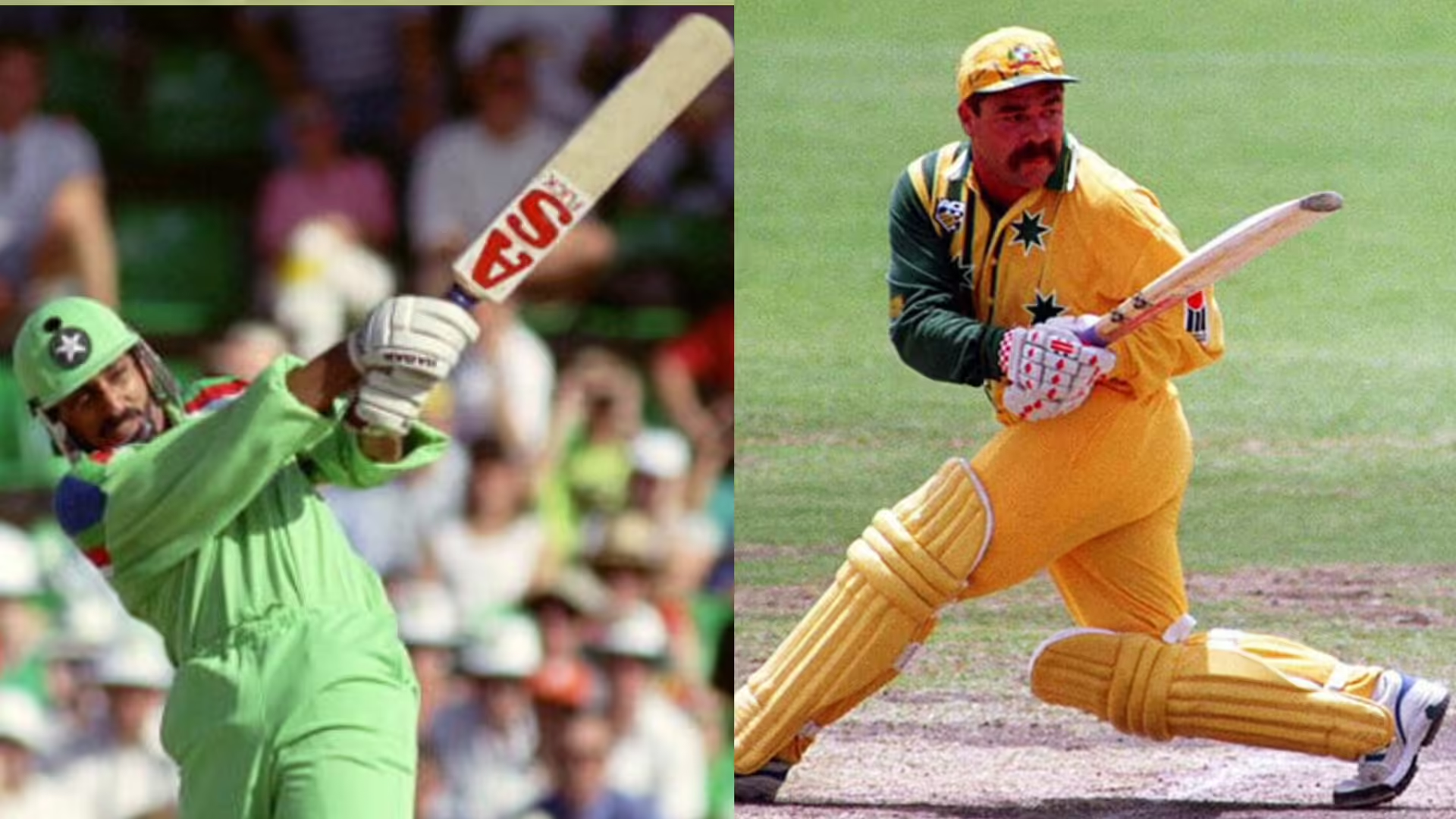
In the past, One Day Internationals have been looked at as the ideal mix of Test match patience and T20 aggression. But not every century in ODIs is run for boundaries and aggressive play. Some innings that are very slow and grind out are a mark of determination, responsibility, and situational skill. These centuries show how players adapted to the pitch, to the bowling pressure, or to match situations that required preservation of wickets over a fast run score.
Top 10 slowest centuries in ODI cricket up to 2025:
1. David Boon put up 166 against India (1991).
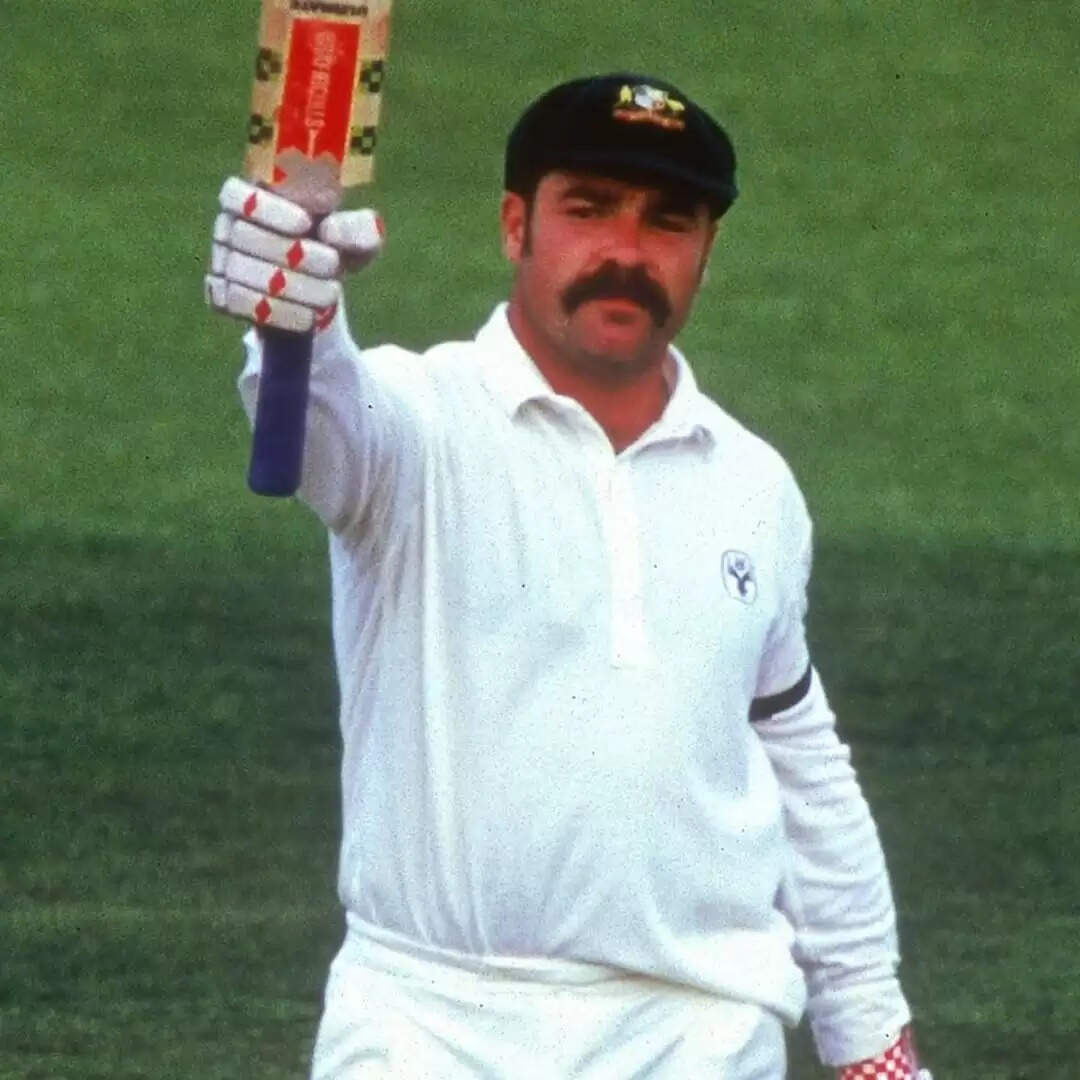
Australian opener David Boon set a record that still stands for the slowest ODI century against India in Adelaide whichtook place during the Benson Hedges World Series. With great patience, Boon faced 166 balls to achieve his century, which he put together when Australia was losing wickets away at the death. His deliberate approach, which at times seemed to drag out the innings, was what held the side together to post a competitive score. Also, it was a display of how, in those days of ODI, a methodical build-up of runs was the order of the day as opposed to the power hitting we see today.
2. David Slowinski (Sri Lanka) in 1999 against Pakistan.
In many cases, Slowinski’s 100 came out of the blue in Sharjah during the tri-series. The pitch was a slow one and a reverse swing, which is what made it hard to play shots. What we saw from him were lots of dot balls and a few boundaries. Although the pitch played into a slow game, it stabilized our team’s innings, which in the end turned out to be a thriller.
3. Scott Styris — 2005 vs Zimbabwe.
New in Harare, which is a hot and dry climate, New Zealand’s all-rounder Scott Styris put together a 161-ball century. The innings was of a defensive nature, more so unremarkable, which saw him rely mostly on singles and two runs. While the end result was a comfortable win for his team, Styris’s effort was a tough ask for the spectators who, in turn, praised his discipline in such a difficult set of playing conditions.
4. Geoff Marsh scored 156 runs against England in 1989.
Geoff Marsh’s century in that match in Nottingham was a result of great patience. At the start, which saw the English seamers at their best and most disruptive with the ball via early swing action, Marsh played with great selectivity. Which, in turn, saw him take 156 balls to reach three digits. Though his run rate was a slow one compared to the 70 mark, which was the strike rate, what he achieved was very stable for Australia in the course of the innings.
5. Ramiz Raja in 1991 against the West Indies.
Batting at a slow-paced pitch in Melbourne, Ramiz Raja of Pakistan scored his century in 155 balls. The West Indian pace, which had Curtly Ambrose at the forefront, made him play it safe. His determination put up a score that Pakistan could defend, which also proved that patience pays off in limited-overs cricket.
6. David Hemp, In 2009 against Kenya.
Bermuda had put forward David Hemp, who scored a dogged 151-ball century in an ICC qualifier. As it went for a small cricket nation, Hemp’s slow-burning hundred was more a display of perseverance than anything.
7. Tom Latham scored 147 off 150 balls in 2021 against Sri Lanka.
In the age of aggressive batting, which characterizes present-day ODIs, Tom Latham’s 147-ball century stood out. In Colombo, which was slow and dry, he put together a fine performance that saw New Zealand’s innings through after we lost early wickets. What looked at the time like a solid base for a decent total grew into a match-winning performance.
8. Shoaib Malik in the 2004 match against India
In the 2004 ICC Champions Trophy, we saw Shoaib Malik perform against a swing delivery that the ballmen produced in the overcast conditions at Edgbaston. Although he reached his century off 145 balls, Malik’s achievement was in stabilizing the Pakistan innings, which then was in trouble with wickets falling at the other end. That performance also brought out a different element to his batting, which we don’t see as often as we do his aggressive style.
9. In 2010, Alastair Cook scored 143 off so many balls against Bangladesh.
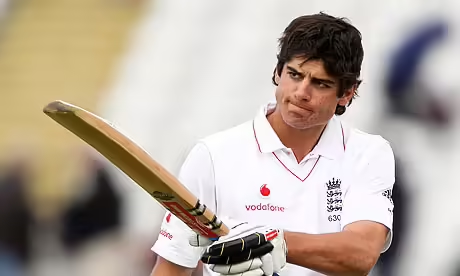
England’s technical star Alastair Cook put on a measured 143-ball century in Dhaka. The pitch was slow and the ball held, which in turn put Cook into a Test-like groove. His play was that of patience and classic technique, which was atypical for the ODI style of the 2010s.
10. Hashim Amla played for 141 balls against Ireland (2015).
In the class of his poise and style, which is his trademark, Hashim Amla scored a ton in 141 balls out in the 2015 World Cup against Ireland, which was played on a flat yet unpredictable wicket. That day, Amla’s main focus was to stay in and do the hard work. Though he did open up at times, the early part of his innings was a study in patience, which in turn showed his mature approach.
The Art Behind Slow Centuries
Slow centuries are a result of what is put forward to the player rather than a lack of intent. We see that in conditions which may include early seam movement, spin-friendly wickets, or at that point in the game where you have to preserve wickets, that is when we see a more defensive approach. In the growth of cricket from 60-over formats to 50 and then to the very aggressive play of the power plays we have in T20, it is in these slow centuries that we see the true mental strength of the traditional one-day batter.
While today’s fans’ demand is for hit lists that read over 100, these slow centuries serve to show that cricket is also a game of timing and perseverance, as it is a game of thrill. Each of these innings, although they may be slow in score fall, instead falls into a class of their own, which is a great display of spirit. What we see in these is that patience and grit are still very much valued in ODI cricket.
About the Author