

Top 10 Types of Roof Materials In 2025
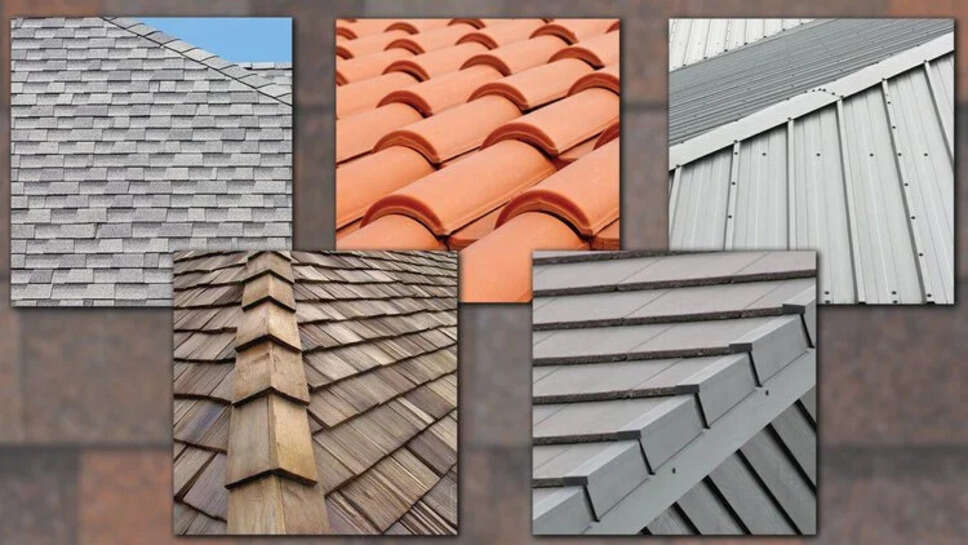
Choosing the right roofing material in 2025 is more important than ever. With rising energy costs, unpredictable weather patterns, and evolving architecture, homeowners today want roofs that are durable, sustainable, stylish, and cost-efficient. Whether you’re building a new home or planning a renovation, the roofing market offers innovative options that blend technology with traditional craftsmanship.
Here are the top 10 roof materials in 2025 that stand out for performance, beauty, and long-term value.
1. Asphalt Shingles
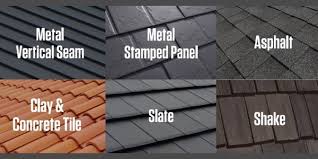
Asphalt shingles continue to dominate due to their affordability, easy installation, and wide availability. In 2025, upgraded architectural shingles offer better UV resistance, wind protection, and longer warranties.
Key Advantages
Budget-friendly
Available in various colors and textures
Suitable for most climates
2. Metal Roofing
Metal roofs—especially aluminum, steel, and zinc—have grown incredibly popular. New reflective coatings help lower indoor temperatures, making them both eco-friendly and energy-efficient.
Why It’s Trending in 2025
Lifespan of 50+ years
Lightweight yet highly durable
Fire-resistant and suitable for extreme weather
3. Clay Roof Tiles
Clay tiles bring unmatched aesthetic charm to Spanish, Mediterranean, and coastal-style homes. Modern clay tiles are lighter and offer improved thermal insulation.
Highlights
Long-lasting with minimal maintenance
Excellent heat resistance
Color does not fade over time
4. Concrete Roof Tiles
Concrete tiles are a cost-effective alternative to clay with similar durability. Advances in 2025 include lighter densities and customizable finishes.
Benefits
Highly durable
Imitates wood, stone, or clay
Good weather protection
5. Slate Roofing
Slate is one of the most premium roof materials known for its beauty and longevity. Natural slate roofs can last over a century if maintained well.
Why Homeowners Love It
Luxurious and timeless appearance
Very long lifespan
Fireproof and weather-resistant
6. Synthetic Roofing (Composite Shingles)
Synthetic or composite roofing materials made from polymers and recycled components are booming in 2025. They mimic slate or wood shakes but are cheaper and easier to install.
Advantages
Eco-friendly
Highly durable and weather-resistant
Lightweight with customizable styles
7. Wood Shingles and Shakes
Wood roofing remains popular for rustic, cottage, and heritage-style homes. In 2025, treated cedar shakes offer better resistance to insects, fire, and rot.
Best Features
Natural and charming look
Good insulator
Environmentally friendly if sourced responsibly
8. Solar Roofing Tiles
Solar roofing tiles are one of the fastest-growing trends in 2025. They integrate solar panels directly into the roof surface, offering energy generation without bulky panels.
Why It’s the Future
Converts sunlight into electricity
Sleek, modern look
Reduces energy bills significantly
9. Green & Vegetative Roofs
Green roofs, especially in urban areas, are gaining attention for their sustainability benefits. They use soil and vegetation to create an eco-friendly roofing layer.
Top Advantages
Excellent insulation
Reduces heat island effect
Enhances air quality and biodiversity
10. Fiber Cement Roofing
Fiber cement roofs combine cement, sand, and cellulose fibers to form a strong and flexible roofing solution.
Reasons to Consider It
Fire-resistant
Affordable compared to slate or clay
Suitable for modern and traditional homes
Final Thoughts
The roofing industry in 2025 offers a diverse range of innovative, stylish, and sustainable materials. Whether you prefer the elegance of slate, the efficiency of solar tiles, or the affordability of asphalt shingles, today’s choices ensure better protection, performance, and aesthetics than ever before.