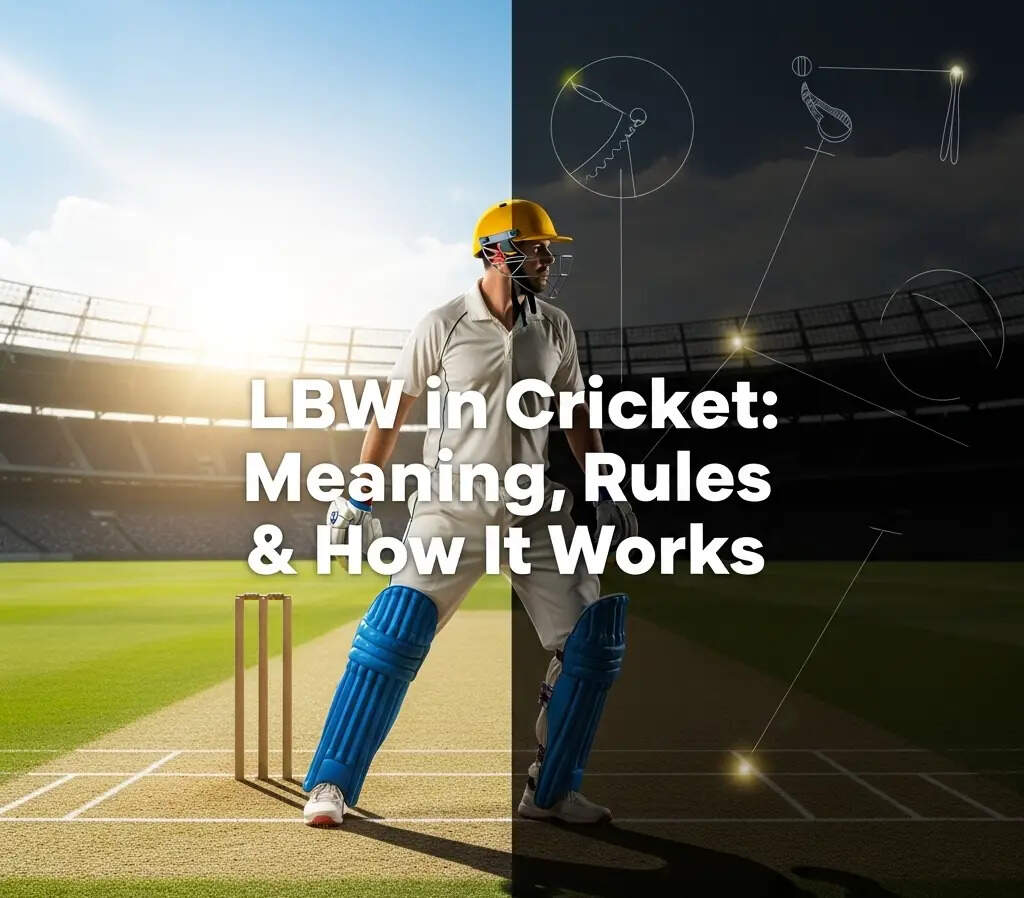
Cricket, also known as the “gentlemen’s game,” has a lot of terms and rules that may put new spectators at a loss. Of these, the term LB is very common on the scoreboards and in the commentary. As a die-hard cricket fan or a casual viewer looking to know more about the game, it’s great knowing what exactly LB means and how it plays out is key.
LB Full Form in Cricket
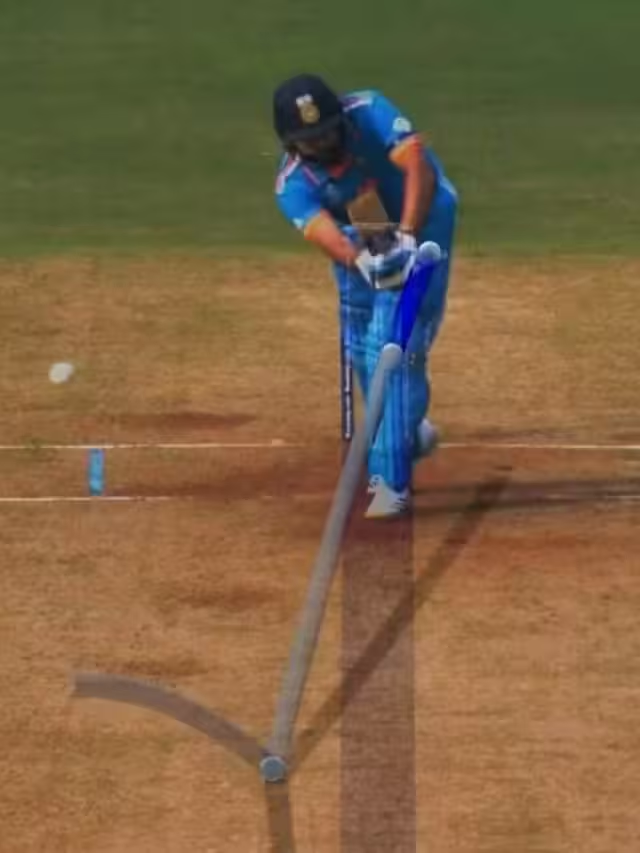
In cricket, the full form of LB is “Leg Before”. Also, we see the term LBW, which stands for Leg Before Wicket. Thisis one of the ten different ways a batter may be out. For an LBW out, the ball has to hit any part of the batter’s body, typically the leg and not the bat, which also has to be determined by the umpire, who also rules that had the ball not hit the body, it would have gone on to hit the stumps.
Understanding LBW – The Rule Explained
The LBW rule is in play to prevent batters from unfairly using their body to stop the ball from hitting the stumps. In simple terms, this is how it works:.
The bowler, who throws the ball, can do so in the middle of the stumps or beyond the off-stump.
The ball hits the batter’s leg or pad before it touches the bat.
The referee thinks that the ball would have gone into the wicket if the batter’s leg had been out of the picture.
If these conditions are met, the batter is out LBW.
Importance of LB in Cricket
LBW is a key form of out, and at times it plays a large role in the match result. Spin bowlers in particular use it as a main tactic, which they play out by going after the batter’s pads and stumps. Fast bowlers also, though for different reasons, get to use LBW by making the ball swing or turn and put it back into the batter.
This dismissal is to see that batters do not abuse the rule of blocking deliveries with their body. If we did away with the LBW rule in cricket, it would become too easy for batters and, at the same time, very hard for bowlers, which in turn would make the game unbalanced.
LB in Scorecards and Commentary
When you watch cricket on TV or track the scores online, you may notice that we have LB by a player’s name in the fall of wickets column. For example, you may see “LBW Bumrah b. Anderson 25” which means the batter was out leg before wicket to Anderson’s delivery after he scored 25 runs.
In commentaries, you will hear experts use “LB” and “LBW” interchangeably.
Role of DRS in LBW Decisions
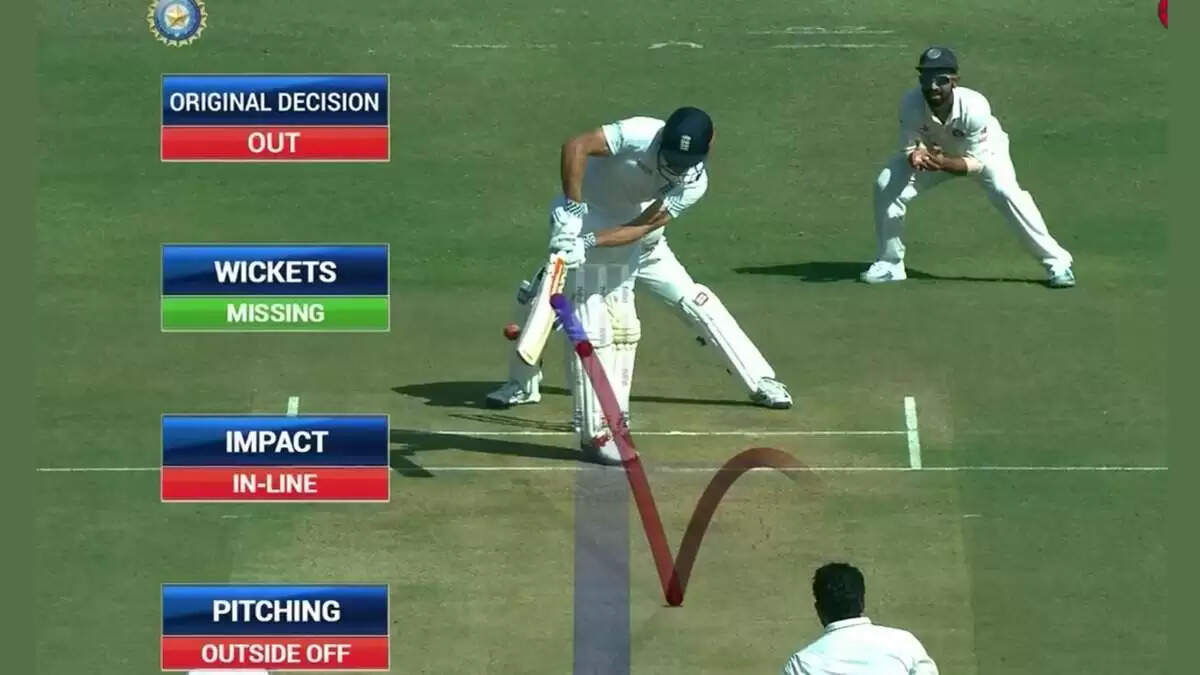
In present-day cricket, the Decision Review System (DRS) is a key element in LBW decisions. Batters have the right to challenge a field umpire’s call. Via ball tracking technology (Hawk-Eye), the third umpire reviews:.
Where the ball pitched
Whether it hit the bat first or not
What was the outcome of the impact?
Whether the ball was headed for the stumps.
This has seen great improvement in the accuracy and fairness of LBW decisions, which in turn reduces human error.
Interesting Facts About LBW
In the 18th century, the LBW rule came in, which was to put an end to batters’ practice of using their legs to block the ball.
Many great bowlers like Muttiah Muralitharan and Anil Kumble took to wicket-taking mostly via LBWs.
Umpires are put in tough spots in LBW calls that are tight, which is why we see the value of technology today.
Final Thoughts
Understanding the laws of LB and LBW might greatly enhance any cricket viewing experience. This is not just a set of laws; rather it is an element that works against unfairness and in competition. At whatever stage of your fandom you are, from new to a longtime fan, to see an LBW out is a thrilling moment, which also goes up a notch when reviewed via DRS, which adds a theatrical element to the occasion.
About the Author